Kenya’s state-owned enterprises carried KSh128.1 billion in guaranteed and non-guaranteed debt at the end of the 2024/25 financial year, exposing the government to financial risks that could add pressure to an already strained public budget. The World Bank’s November 2026 Kenya Economic Update says stronger oversight of state corporations is necessary to contain these liabilities and protect fiscal sustainability.
The report puts government-guaranteed debt owed by state-owned enterprises at KSh83.2 billion, equivalent to 0.5 per cent of gross domestic product. Their non-guaranteed debt stood at KSh44.9 billion, or 0.3 per cent of GDP.
Although the two categories carry different legal implications, both highlight the financial exposure associated with government-owned businesses. Guaranteed borrowing creates a direct obligation for the state if an enterprise cannot meet its repayment commitments, while financial difficulties at firms with non-guaranteed debt can still create pressure for government intervention.
The exposure comes as Kenya grapples with elevated public debt and rising interest costs. Public debt stood at 69.9 per cent of GDP in June 2026, while interest payments absorbed 5.8 per cent of GDP during the 2025/26 financial year.
The World Bank warns that weak governance and inadequate monitoring of public entities can create additional fiscal liabilities. Poor financial performance, inefficient operations and weak accountability may leave the government facing unexpected demands for financial support, reducing the resources available for development spending and essential public services.
The report identifies stronger state-owned enterprise governance, oversight and fiscal risk management as key priorities for Kenya. It also calls for better monitoring of contingent liabilities, which are potential government obligations that may arise if particular financial risks materialise.
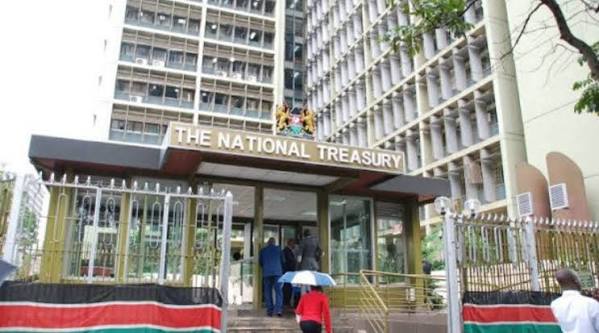
Kenya has taken steps to strengthen the legal framework governing state corporations. The Government Owned Enterprises Act 2025 is among the reforms identified in the report, with the National Treasury and the State Corporations Advisory Committee playing roles in public financial management and oversight of government-owned enterprises.
However, the World Bank's recommendations point to the need for effective implementation, rather than legislation alone. Stronger reporting, financial supervision and accountability are important in identifying problems before they become costly obligations for taxpayers.
The government’s ability to manage these risks will become increasingly important as it seeks to reduce borrowing pressures while financing infrastructure and public services. The report argues that stronger oversight of state-owned enterprises is essential to preventing hidden liabilities from undermining Kenya’s broader debt and fiscal management efforts.