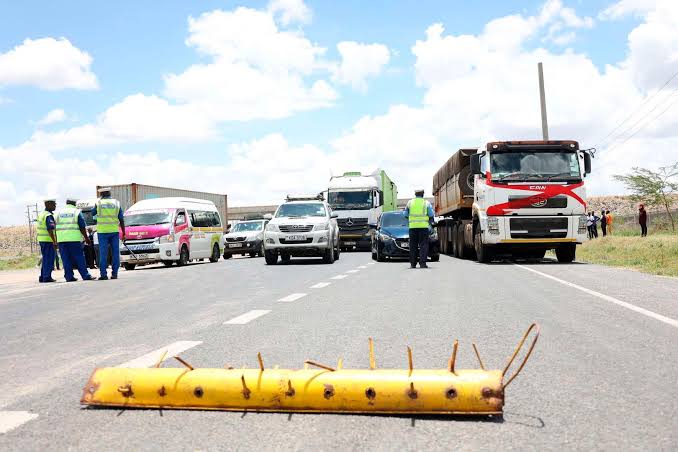
Roadblocks, repeated inspections and administrative delays along Kenya’s transport routes are increasing the cost of moving goods, adding to the burden on businesses and weakening the country’s logistics competitiveness, according to the World Bank.
The lender’s November 2026 Kenya Economic Update identified official and unofficial checkpoints affecting inland transport among the factors contributing to higher logistics costs. The report said these challenges interact with congestion and management problems at the Port of Mombasa, as well as delays in administrative processes.
Businesses moving goods through the port and along inland routes can face multiple inspections, system interruptions, additional fees and demands for unofficial payments. These obstacles increase the time and cost required to transport cargo, creating uncertainty for importers, exporters and other companies that depend on reliable supply chains.
The World Bank said Kenya’s logistics performance lagged behind regional and aspirational peers, particularly in customs, infrastructure and international shipments. The report linked weaker performance to a combination of governance and operational constraints.
The costs matter beyond the transport sector. Higher logistics expenses can raise the price of imported production inputs, make Kenyan exports less competitive and eventually feed into the prices paid by consumers.
The lender recommended reducing the number of roadblocks affecting inland transport and streamlining inspections. It also proposed one-stop shops for customs and other port inspections, supported by clear service standards and greater transparency.
Such reforms would help reduce repeated procedures and limit opportunities for unofficial payments. Clearer rules and more predictable processing could also make it easier for businesses to plan deliveries and manage operating costs.
The World Bank said improvements in logistics should form part of a wider effort to lower the cost of doing business in Kenya. Other priorities include more efficient port management, stronger accountability in public institutions and better access to affordable electricity and credit.
Reducing transport bottlenecks could help businesses move goods more efficiently, improve trade competitiveness and strengthen Kenya’s role as a regional distribution hub.