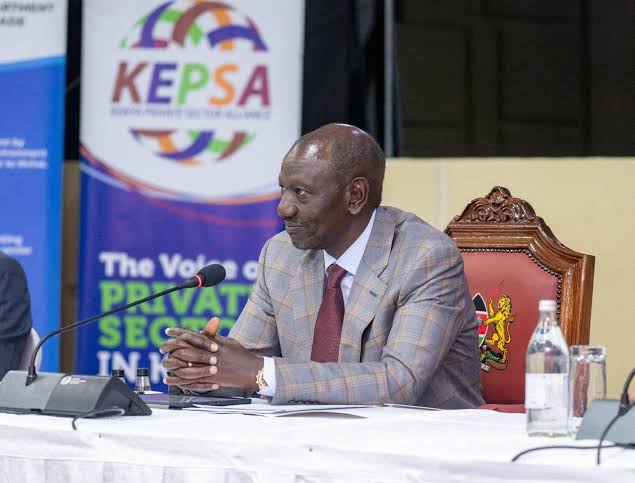
President William Ruto has renewed the government’s push to strengthen local manufacturing, urging Kenyans to buy locally made products as part of efforts to create jobs, expand markets for farmers and retain more wealth within the economy. He made the remarks on Wednesday, November 4, 2026, when he opened the Kenya Industrialisation Summit at the Kenyatta International Convention Centre (KICC) in Nairobi.
The President said manufacturing was central to Kenya’s industrialisation agenda, arguing that increased demand for locally produced goods would strengthen domestic businesses and create opportunities across agricultural and industrial value chains.
Ruto said the country needed to move beyond exporting raw materials towards processing more of what it produces and manufacturing finished goods for domestic, regional and international markets.
He said the government was pursuing reforms intended to encourage entrepreneurs and farmers to embrace value addition, expand their businesses and earn more from production.
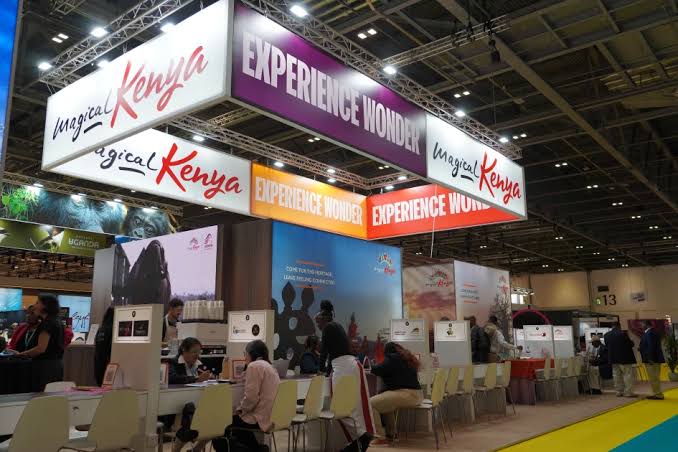
The summit is being held alongside the Changamka Shopping Festival, which brings together more than 400 exhibitors showcasing Kenyan-made products. The festival, organised by the Kenya Association of Manufacturers (KAM), is running from November 3 to 7 at KICC.
The gathering provides manufacturers with an opportunity to display products, engage consumers and connect with potential buyers and business partners. It also forms part of the wider Buy Kenya, Build Kenya campaign, which seeks to increase the consumption of locally manufactured goods.
However, expanding local production will require more than consumer support. Manufacturers have pointed to the need for affordable financing, reliable infrastructure, lower production costs and a predictable business environment to compete effectively in domestic and export markets.
KAM has also emphasised that stronger domestic demand must go hand in hand with the ability to access regional and international buyers. This would allow local businesses to grow beyond the Kenyan market and benefit from wider trade opportunities.
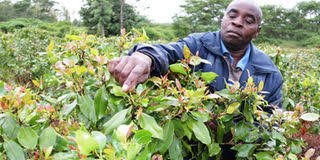
The manufacturing agenda also carries implications for farmers and suppliers. Increased processing of agricultural produce locally could create additional demand for raw materials while allowing more value to be captured within Kenya before products reach consumers or export markets.
Ruto’s remarks place local production and value addition at the centre of the government’s industrialisation message. The longer-term test will be whether policy reforms, investment conditions and market access translate into expanded manufacturing capacity, stronger local supply chains and more competitive Kenyan products.