By The News Booth Desk Email, info.newsbooth@gmail.com
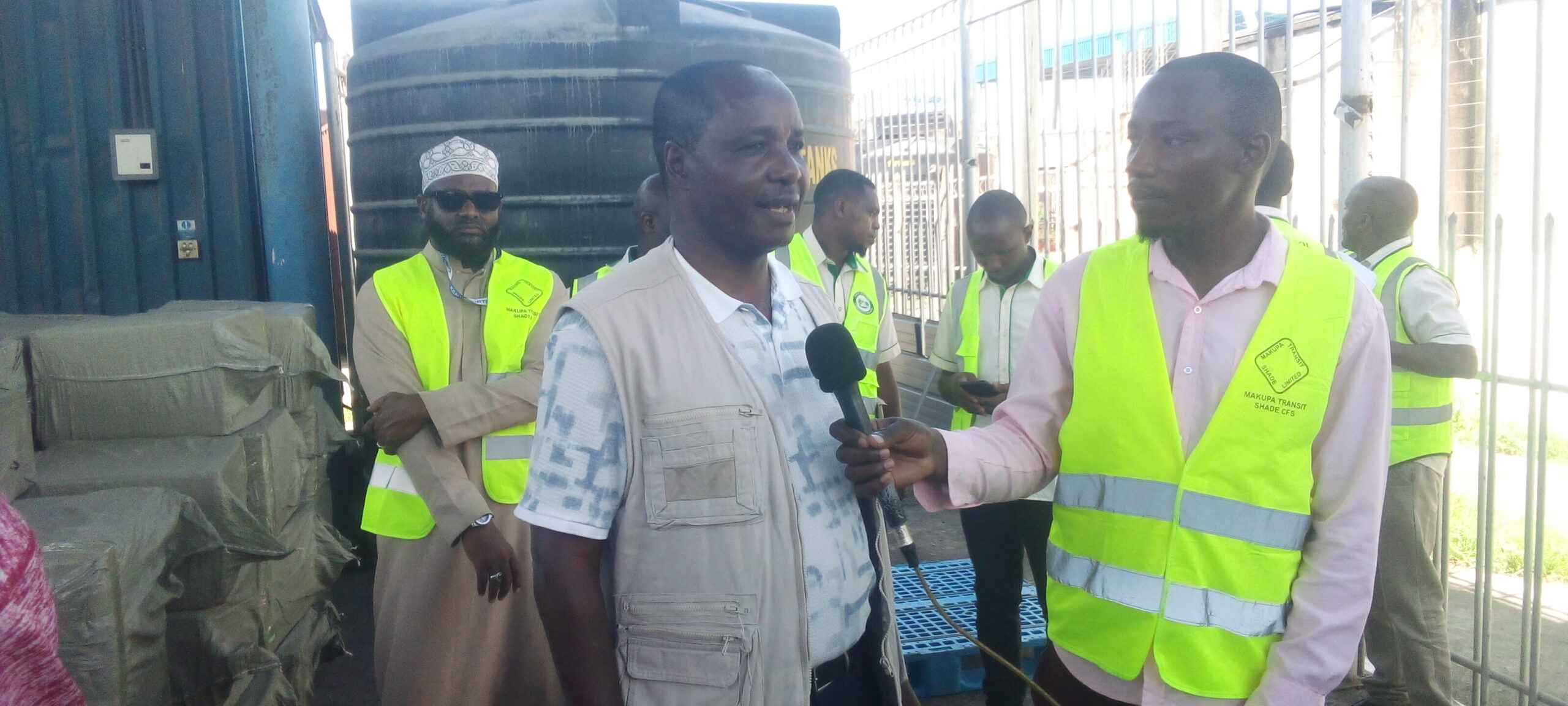
The Pest Control Products Board (PCPB) has successfully intercepted a 40-foot container filled with unapproved and highly toxic pesticides, valued at an estimated Ksh6 million, at the Makupa Transit Shade Container Freight Station (CFS) in Mombasa. This significant seizure was made during a routine verification exercise, highlighting the ongoing efforts by authorities to curb the illegal importation of hazardous chemicals into the country.
Stanley Nganga, the PCPB Coast regional manager, confirmed the interception of the consignment, which contained 520 boxes of pesticides that had been imported without the necessary permits from the board. "These are not allowed in the country. They are poisonous and are not allowed in the country," Nganga emphasized, underscoring the potential health risks posed by such substances.
The seized products were traced back to China and were being smuggled through the customs area, according to Nganga. He assured that investigations are underway to identify those responsible for the illegal importation, and that arrests will follow. "We intercepted it within the customs area. We are investigating the matter and the perpetrators will be arrested. After following all the procedures, we will seek court direction to ensure they are destroyed," he stated.
PCPB Chief Executive Officer Fredrik Muchiri noted that this is not an isolated incident, as similar consignments have previously been intercepted in Garissa. He pointed out discrepancies in the shipping documents, which indicated that the cargo was intended for a different container freight station but was rerouted to Makupa CFS. "If it was to move out, it would have been difficult to map. We are asking importers to stop importing poison that affects our people," Muchiri said.
The CEO further explained that the consignment was deceitfully declared in the shipping manifest as "mosquito chips," while the actual contents were mosquito sticks, not coils, in an apparent attempt to evade detection. He warned that such illicit imports not only pose severe health risks but also deny the government significant revenue. "The toxic health effects are very high," Muchiri warned.
In response to these challenges, the board is urging importers to adhere strictly to regulations and has vowed to intensify surveillance efforts to prevent banned agrochemicals from entering the Kenyan market. The PCPB's actions reflect a broader commitment to safeguarding public health and ensuring compliance with national safety standards.