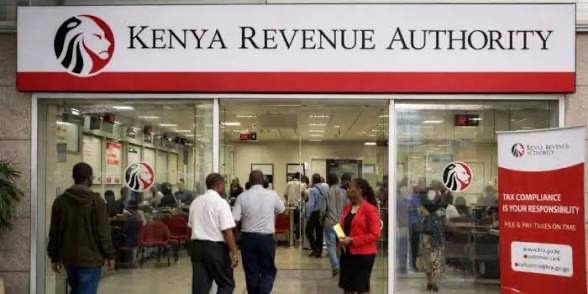
The Kenya Revenue Authority (KRA) has uncovered a Sh4 billion value-added tax (VAT) fraud scheme involving 72 entities that allegedly generated fake electronic invoices worth Sh33.83 billion between 2020 and 2025, exposing significant abuse of the country’s electronic tax invoicing system.
According to the authority, the entities generated 62,869 invoices through the Electronic Tax Invoice Management System (eTIMS), which businesses allegedly used to claim approximately Sh3.996 billion in fraudulent input VAT.
Investigations by KRA reportedly established that several of the entities had no genuine business operations, raising concerns about the use of fictitious transactions to reduce tax liabilities and obtain unlawful tax benefits.
The Office of the Director of Public Prosecutions has approved the prosecution of 42 individuals, companies and directors linked to the alleged scheme. Six suspects have already been arrested as investigations and legal proceedings advance.
The case highlights the risks associated with fraudulent invoicing, which can allow businesses to claim tax credits for purchases that did not take place or were not supported by legitimate commercial transactions.
Under the VAT system, eligible businesses can generally offset qualifying input tax against output tax, subject to legal requirements. However, claims supported by fictitious invoices undermine tax collection and can give businesses an unfair advantage over compliant taxpayers.
KRA has warned businesses against using false invoices and said it would disallow fraudulent tax claims and pursue the recovery of unpaid taxes. The authority’s position signals continued scrutiny of electronic invoicing records as it seeks to strengthen compliance and protect government revenue.
The use of eTIMS is intended to improve tax administration by digitising invoice generation and making transactions easier to monitor. However, the alleged scheme demonstrates the importance of verifying the authenticity of transactions and ensuring that invoices reflect genuine business activity.
The prosecution of those implicated will determine individual and corporate liability in the case. Meanwhile, KRA has urged taxpayers to comply with tax laws and ensure that their invoices and input VAT claims are supported by legitimate transactions.