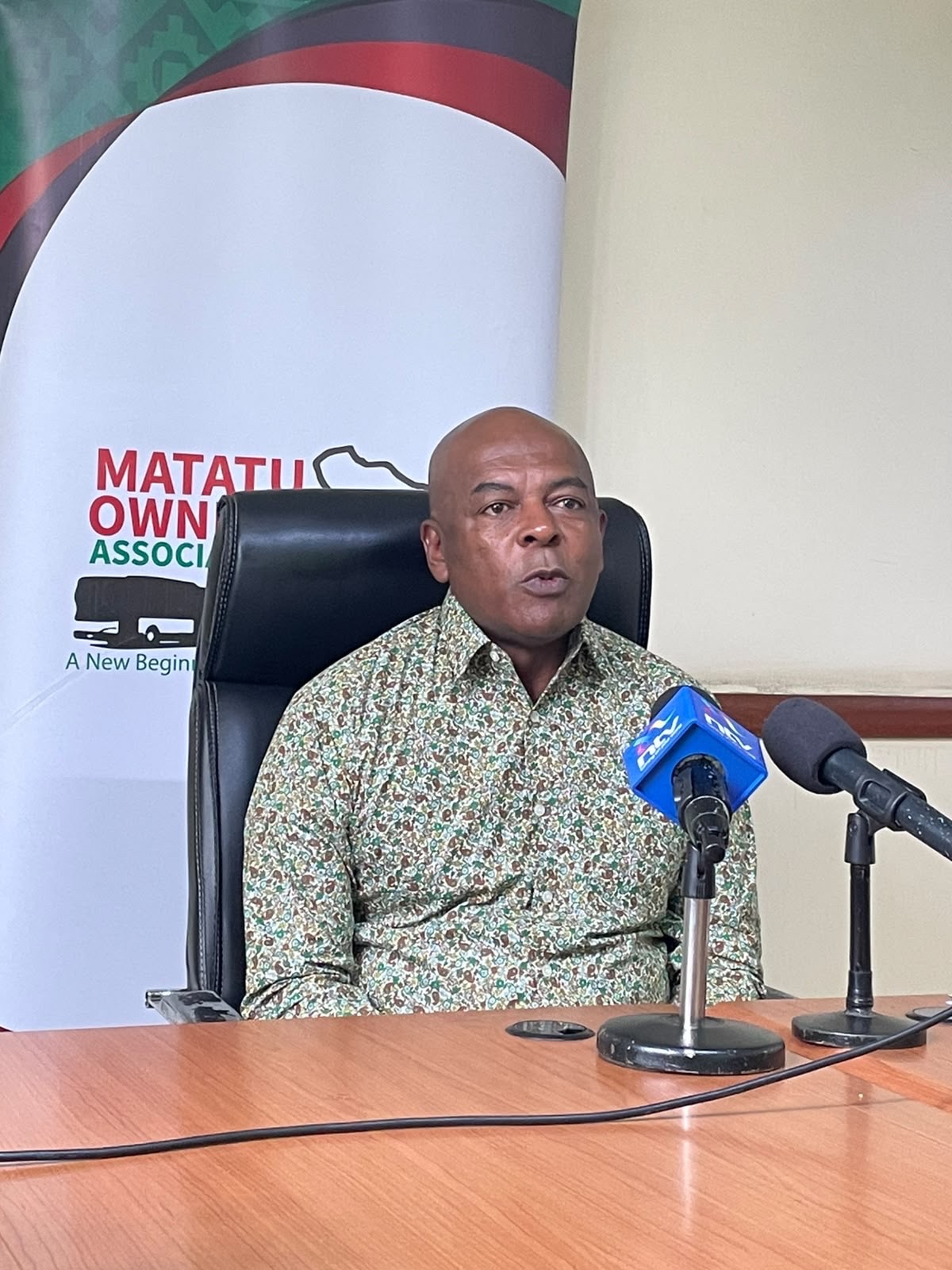
Matatu operators have been asked to increase fares by 10 per cent following a rise in fuel prices and mounting operating costs, according to Matatu Owners Association (MOA) President Albert Karakacha, who says the sector can no longer absorb the financial pressure.
Speaking on Thursday, October 15, Karakacha said the increase was necessary to help operators meet expenses such as fuel, vehicle repairs, tyre replacement and other costs that have reduced their profit margins.
“A strike is not an option for now. We will share this burden with Kenyans,” Karakacha said, indicating that operators would pass part of the financial strain to passengers rather than stage another industrial action.
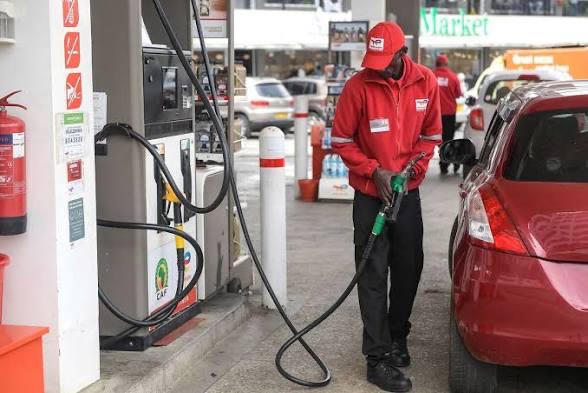
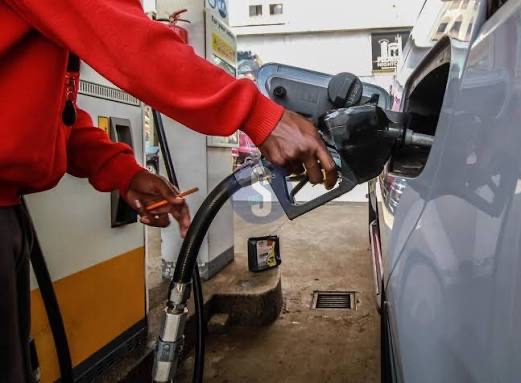
The announcement comes as commuters contend with higher fuel prices following the latest review by the Energy and Petroleum Regulatory Authority (EPRA).
In Nairobi, the maximum retail price of super petrol increased by KSh12.93 per litre to KSh226.96, while diesel rose by KSh9.90 to KSh227.76 per litre for the period running from October 15 to November 14, 2026. Kerosene prices also increased by KSh28.49 per litre to KSh219.87.
The higher diesel price is particularly relevant to public transport operators, who rely on the fuel to run their vehicles. The increase adds to the cost of daily operations and could place further pressure on household budgets if operators implement higher fares.
Karakacha said the association had been seeking government intervention since May, when transport stakeholders held negotiations with President William Ruto in Mombasa over rising fuel prices and the challenges facing the sector.
He claimed that commitments made during the discussions had not been fully honoured, despite an agreed 90-day timeline for addressing the concerns.
Among the outstanding issues, according to Karakacha, are the proposed duty-free importation of 100,000 electric vehicles, a reduction in insurance premiums and measures to prevent further increases in fuel prices.
The May 22 meeting followed transport-sector unrest over rising fuel costs. President Ruto announced that diesel prices would be reduced by KSh10 per litre during the June–July pricing cycle, alongside other government interventions intended to cushion Kenyans against higher fuel costs.
Karakacha said the association had continued trying to engage the Cabinet Secretary for Transport but alleged that its calls were no longer being answered.
He also claimed that a governor who was expected to act as a guarantor in the negotiations had stopped responding to their calls.
He said the increases recorded since May had eroded operators’ earnings, leaving some struggling to cover maintenance costs and keep their vehicles on the road.
The association has not indicated that a strike is imminent. Instead, Karakacha said operators would share the burden with passengers as they continued seeking government action on the outstanding commitments.
The extent of the fare changes across individual routes, as well as the date on which the proposed 10 per cent increase will take effect, remains unclear.