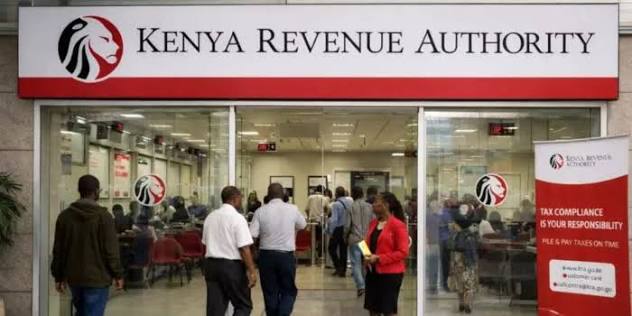
The Kenya Revenue Authority has been ordered to pay former Commissioner for Investigations and Enforcement Dr Edward Kinyua Karanja Sh12 million in compensation for the unfair termination of his employment on November 23, 2026. The award follows a court finding that his dismissal was unfair. The ruling adds to a run of judgments against the tax agency over how it has ended senior staff contracts.
Karanja headed one of the most sensitive departments in the tax agency. The Commissioner for Investigations and Enforcement oversees tax investigations, prosecutions referrals and enforcement actions against taxpayers and suspected evaders. The post therefore sits at the centre of KRA's work on compliance and recovery, and any dispute over its occupant draws close public attention.
The compensation is the court's remedy for an unfair dismissal rather than a finding of wrongdoing on the part of either side. Under Kenya's Employment Act, an employer must show a valid reason for termination and follow a fair procedure. Where it fails to do so, employment tribunals can award compensation, which is usually calculated as a number of months' salary.
The reasons the court gave for finding the termination unfair and the amount of salary the award is based on, are not in the sources I could access.
KRA has faced several similar cases. In June 2026, the High Court in Mombasa ordered the agency to pay Sh3 million to a manager dismissed over a vehicle auction, finding the termination both procedurally and substantively unfair.
Earlier, a court ordered KRA to pay Sh15 million to a former employee dismissed two decades ago, and a former senior assistant commissioner was awarded more than Sh11 million for unlawful dismissal.
The pattern raises questions about internal disciplinary processes. Courts have repeatedly examined whether KRA gave reasons for dismissals and followed its own rules, and in several cases have found that it did not. For a revenue agency that depends on consistent enforcement, the cost of such awards, along with the reputational effect, is a concern for its governance.
The compensation also carries a public cost. Awards against KRA are paid from public funds, which means taxpayers ultimately bear the cost of disputes over how senior officials were removed. Parliamentary committees have asked the agency to explain its human resources decisions in similar cases.
The next signals will be whether KRA appeals the award, how the payment is made and whether the court's reasoning sets a precedent for other senior officials. Watchers of the agency will also look for any changes to its disciplinary and human resources procedures.