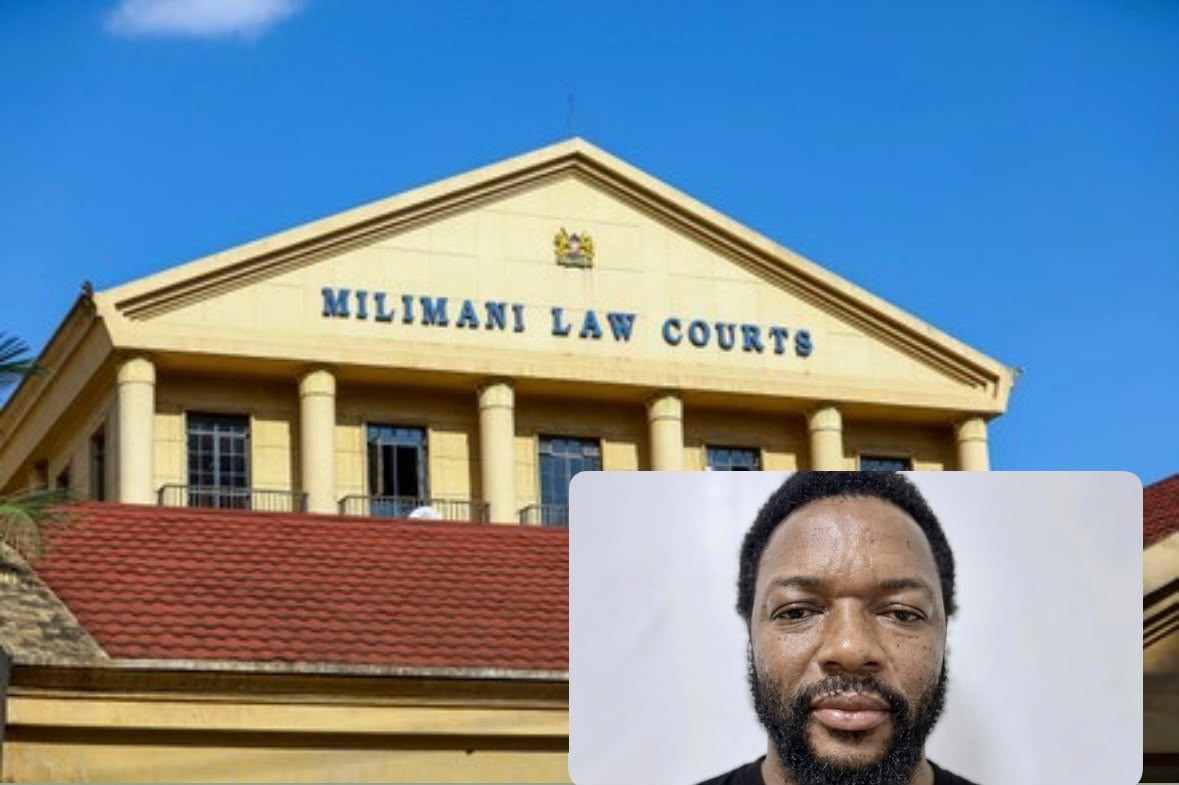
The High Court has ordered senior police officials to produce Tanzanian opposition activist Twaha Mwaipaya before the court, either alive or dead, as concerns mount over his alleged arrest and continued detention.
Justice Alexander Muteti directed the Inspector General of Police, the Directorate of Criminal Investigations (DCI) and the Officer Commanding Ruai Police Station to present Mwaipaya before the court on Monday, November 2, 2026, at 11am.
The orders come amid growing questions surrounding the circumstances of Mwaipaya’s arrest, his whereabouts and the legal basis for his reported detention.
In addition to ordering his production, the court directed the three respondents to present the original detention warrant and explain why the activist should not be immediately released from custody.
The directive followed an urgent application filed by Vocal Africa on behalf of Mwaipaya through a Chamber Summons dated October 27, 2026. The organisation moved to court seeking judicial intervention over concerns surrounding the activist’s arrest and detention.
Justice Muteti certified the application as urgent, paving the way for an expedited hearing and requiring the police authorities to account for Mwaipaya’s whereabouts.
The judge also summoned Inspector General of Police Douglas Kanja Kirocho and Director of Criminal Investigations Amin Mohamed Ibrahim to appear before the court, either personally or through their respective advocates.
The two senior security officials have been directed to explain the circumstances under which Mwaipaya was arrested and detained, as well as the legal authority under which the action was undertaken.
The court further ordered all respondents and interested parties in the case to file and serve their responses by 9am on Monday, November 2, ahead of the scheduled court appearance.
The matter will be mentioned at 11am on the same day for further directions and orders.
The court's intervention places police authorities under pressure to provide an account of the activist's whereabouts and demonstrate that his detention, if confirmed, was conducted within the law.
The order requiring authorities to produce Mwaipaya, dead or alive, underscores the seriousness of the concerns raised in the application and the need for accountability over his reported disappearance.
The case is expected to shed light on the circumstances surrounding the activist's arrest and whether police followed the required legal procedures.
Mwaipaya's case also comes against the backdrop of wider regional concerns over the treatment of political activists and opposition figures in East Africa, where questions surrounding arrests, detention and the protection of civil liberties have continued to attract public attention.