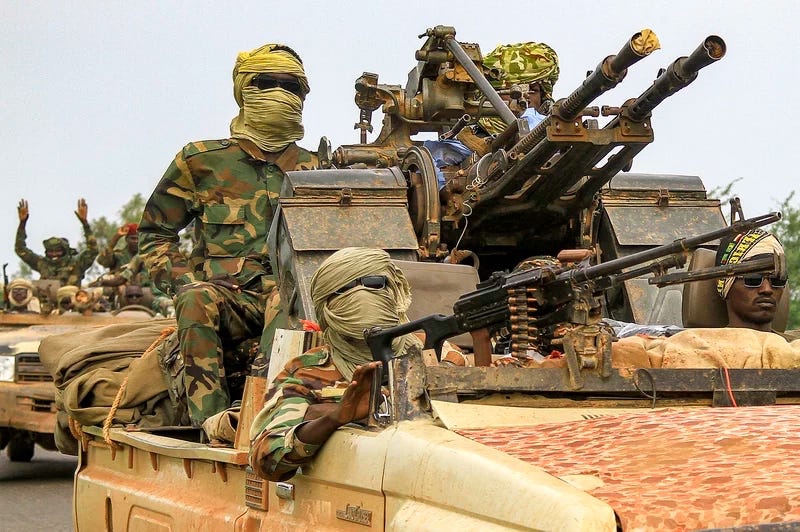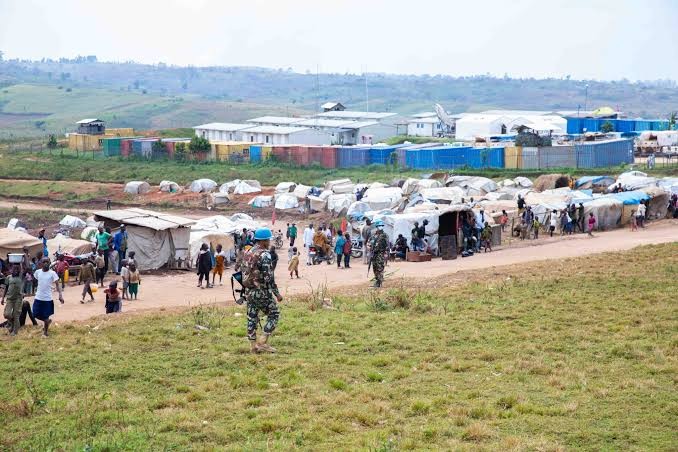
Armed clashes in the eastern Democratic Republic of the Congo (DRC) have left thousands of displaced people at risk, with at least three people killed and five others injured at a displacement site in Ituri Province.
The United Nations Office for the Coordination of Humanitarian Affairs (OCHA) has raised concern over the deteriorating security situation at the Plaine Savo displacement site in north-eastern DRC, warning that continued fighting is endangering civilians and disrupting critical humanitarian assistance.
According to OCHA, the three deaths and five injuries were reported among displaced people since Tuesday as armed violence intensified around the site. Fresh fighting near the displacement camp has also trapped families, raising fears for the safety of people who have already been forced to flee their homes because of insecurity.
The clashes have significantly affected humanitarian operations, with restricted access forcing aid agencies to suspend essential services, including water-trucking activities and health and nutrition programmes.
The disruption is affecting approximately 76,000 people who depend on humanitarian assistance at the Plaine Savo site. Many of the displaced families rely on aid organisations for basic necessities, making the interruption of essential services an additional challenge amid the worsening security situation.
The violence has also affected the livelihoods of surrounding communities. Residents have reported damage to agricultural fields near the displacement site, threatening food production and further worsening the humanitarian needs of families already struggling to recover from repeated displacement.
OCHA has expressed particular concern that the insecurity could undermine ongoing efforts to contain Ebola in the region.
Three Ebola cases were confirmed at the Plaine Savo displacement site in mid-September, raising concerns about the potential spread of the disease among vulnerable populations living in crowded conditions.
Humanitarian agencies fear that continued access restrictions could interfere with critical public health activities, including disease surveillance, contact tracing and community engagement. These interventions are essential in identifying potential infections, monitoring people who may have been exposed and ensuring communities receive accurate information about the disease.
The latest violence therefore threatens to complicate an already challenging humanitarian and public health response, particularly as aid workers struggle to reach people in need.
OCHA has called on all parties involved in the conflict to protect civilians, respect international humanitarian law and guarantee safe, rapid and unhindered access for humanitarian organisations delivering assistance.
The agency has reiterated that the protection of civilians and the continuation of life-saving services must remain an immediate priority, warning that further disruptions could worsen the already difficult conditions facing displaced families.
The eastern DRC has experienced prolonged insecurity involving armed groups, resulting in repeated displacement and growing humanitarian needs across several provinces