Kenya's milling industry is being encouraged to expand production of whole-grain foods as nutrition advocates push for healthier alternatives to refined maize flour and other staple products.
David Kamau, managing director of the Fortified Whole Grain Alliance (FWGA), says millers can tap into opportunities by producing affordable whole-grain foods that retain more of the natural nutrients found in cereal grains.
The campaign gained attention on November 19, when Kenya joined other countries in marking International Whole Grain Day, an annual initiative promoting greater consumption of whole grains.
Unlike refined flour, whole-grain products retain the bran and germ, which contain dietary fibre, vitamins and minerals that are largely removed during processing.
An August 2026 Boston Consulting Group report estimates that whole grains can contain between two and five times the micronutrient density of refined alternatives, depending on the grain and nutrients compared.
The opportunity extends beyond retail food products. Fortified whole-grain maize flour is already being used in school feeding programmes, where it can be incorporated into familiar meals such as ugali and porridge.
The FWGA says approximately 600,000 learners across several Kenyan counties already consume fortified whole-grain maize meal through school feeding initiatives.
In Rwanda, the programme has reached hundreds of thousands of learners, offering an example of how institutional demand can support wider adoption.
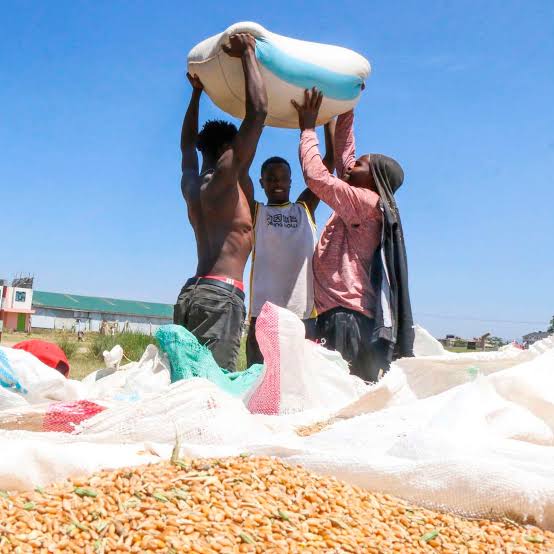
For millers, expanding this market could create demand for new product lines, processing equipment, grain sourcing and fortification services. Farmers could also benefit if greater demand encourages processors to purchase more locally produced maize, millet, sorghum and other whole grains.
However, expanding production will require affordable processing methods, reliable supplies of suitable grain, consumer awareness and products that remain accessible to households facing tight food budgets.
The BCG report also identifies school procurement as a potential way to connect nutrition programmes with local agriculture and food processing. Regular institutional orders could give millers and farmers more predictable demand while improving the nutritional quality of meals served to children.
Kamau is calling for stronger collaboration between government, schools, farmers and food manufacturers to make whole-grain products more widely available.
The industry's challenge will be turning the nutrition message into affordable products that consumers and institutions are willing to buy consistently.