The East African Community (EAC) is urging member states to strengthen water and sanitation data collection to guide infrastructure investment, after new regional figures revealed a persistent gap between urban and rural access.
The EAC Facts and Figures 2026 report shows that 70 per cent of households across the regional bloc could collect safe drinking water within 30 minutes in 2025, up slightly from 69 per cent in 2022.
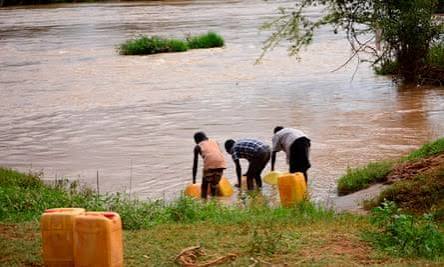
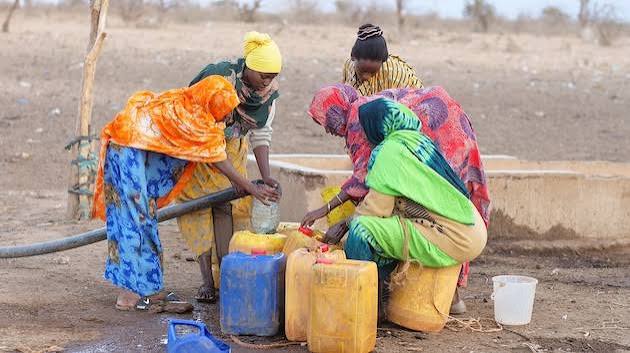
However, access remains uneven. About 87 per cent of urban households could reach safe drinking water within 30 minutes, compared with 67 per cent of rural households, representing a 20-percentage-point gap.
Rural access improved from 62 per cent in 2022 to 67 per cent in 2025, but the figures show that millions of households continue to face longer journeys to obtain drinking water.
The EAC says governments should make regular collection and use of water and sanitation statistics a national priority, arguing that reliable information can help identify underserved communities and guide spending towards areas with the greatest infrastructure needs.
The regional body says data can help governments determine where new water connections, improved supply networks and sanitation facilities would have the greatest impact.
The distinction between access within 30 minutes and safely managed water services is important. The measure used in the report focuses on the time taken to collect drinking water.
Safely managed services require additional conditions, including water being available on premises when needed and meeting quality standards.
The access gap has implications for households, particularly in rural communities where time spent collecting water can affect education, farming and other income-generating activities.
For businesses, unreliable water supply can increase operating costs in sectors such as food processing, hospitality, agriculture and manufacturing.
The EAC is encouraging partner states to use the latest statistics when planning water infrastructure and allocating development resources.
The figures highlight the need for investment that does more than expand the number of water points. Governments must also improve reliability, water quality and access for communities that remain underserved.