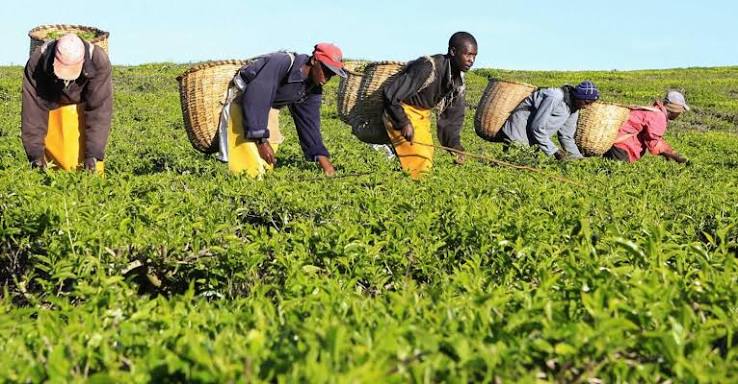
The government has set aside Sh3.5 billion to support reforms in Kenya’s tea sector and address concerns over low bonus payments, Deputy President Kithure Kindiki has announced.
Kindiki said the funding was a response to concerns raised by tea farmers during President William Ruto’s recent visit to Kericho County, where growers called for measures to improve returns from their produce.
Speaking on Thursday, November 19, during an inspection of development projects in Belgut Constituency, the Deputy President said the administration was streamlining the tea subsector to improve farmers’ livelihoods and ensure they receive better payments.
He said the allocation would address outstanding issues affecting tea bonuses, although the government had not provided a detailed breakdown of how the Sh3.5 billion would be distributed, which farmers or factories would benefit, or when payments would be made.
The pledge comes amid continued concerns among tea growers over the relationship between production costs, tea prices and the payments they receive after their green leaf is delivered to factories.
Tea is a major source of income for households in Kenya’s highland growing regions, while earnings from the crop also support factories, transporters, traders and other businesses across the value chain.
The Deputy President also announced a Sh55 billion programme to upgrade 740 kilometres of roads in Kericho County to bitumen standards. The improved roads are expected to support transport and access to markets, including for agricultural producers.
Kindiki further cited Sh14 billion in development spending covering affordable housing, modern markets and accommodation facilities for learning institutions in the county. During the visit, he inspected road works and broke ground for a 1,040-bed hostel at Belgut Technical Training Institute.
The tea-sector allocation now places attention on how the government intends to translate its pledge into measurable improvements in farmers’ payments. Details on the funding mechanism, eligibility and implementation timetable will be important in determining how much of the promised support reaches growers.