Kenya is preparing to enter the commercial crude oil market as drilling begins in Turkana County on Friday, November 20, with the government narrowing the search for the country's international oil trading name to four options.
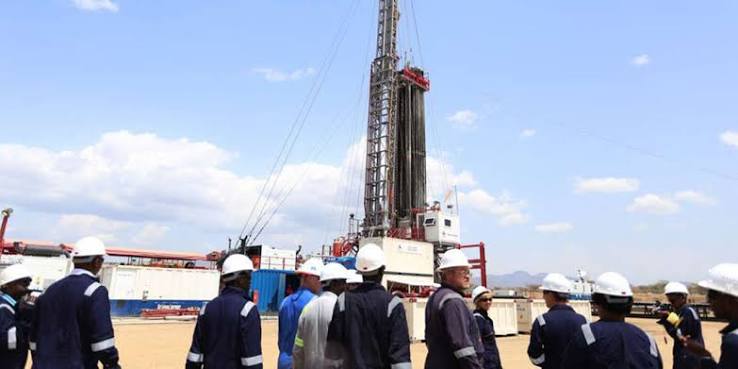
Energy and Petroleum Cabinet Secretary Opiyo Wandayi said the drilling rig at the South Lokichar oilfields would be switched on as the government targets December 1, 2026, for the start of commercial production.
The four shortlisted names are Great Rift Light, Great Rift Intermediate, Great Rift Blend and Great Rift Sweet. The Ministry of Energy and Petroleum is reviewing the proposals before submitting a final recommendation to President William Ruto, who is expected to unveil the selected name during the planned first-oil ceremony.
The naming process follows a public participation exercise conducted in October, with the government seeking a distinct commercial identity for Kenyan crude in international petroleum markets.
Oil grades are commonly identified by names such as Brent from the North Sea, Murban from the United Arab Emirates and Nigeria's Bonny Light. These names help traders and refineries distinguish crude grades based on their origin and physical characteristics.
Kenya's Turkana crude is classified as light and sweet, meaning it has relatively low sulphur content and characteristics that can make it attractive to refiners producing petrol, diesel and jet fuel.
Gulf Energy, through its subsidiary Auron Energy E&P, is developing Blocks T6 and T7 in the South Lokichar basin after taking over the project from Tullow Oil. The company is targeting initial production of 20,000 barrels per day between 2026 and 2032, with plans to increase output to 50,000 barrels daily in the subsequent phase.
The first phase will rely on insulated trucks to transport crude from Turkana to Mombasa for export and refining abroad. The waxy nature of the oil requires temperature management to prevent it from solidifying during transportation, adding to logistics costs.
The Kenya Pipeline Company has signed a 25-year agreement to receive, store and handle the crude at the Port of Mombasa, providing infrastructure for the planned exports.
The project represents a major milestone for Kenya, which discovered commercially viable oil in South Lokichar in 2012 but faced years of delays over financing, infrastructure and regulatory approvals.
However, the December production target does not automatically mean exports will begin immediately. The Energy and Petroleum Regulatory Authority has previously indicated that the first exports from Mombasa are expected in the first quarter of 2027.
The commercial success of the project will depend on production reliability, transportation costs, international demand and the prices buyers are willing to offer for Kenyan crude.
For Kenya, the entry into oil production could diversify export earnings and provide another source of foreign exchange, although the economic benefits will depend on the revenues retained by the country after production costs, contractual obligations and other deductions.