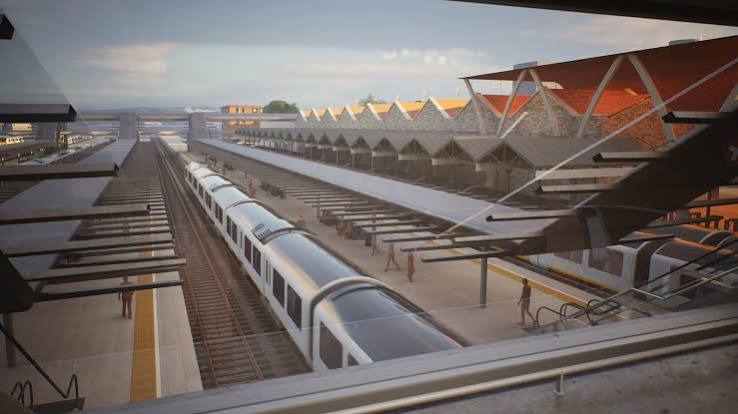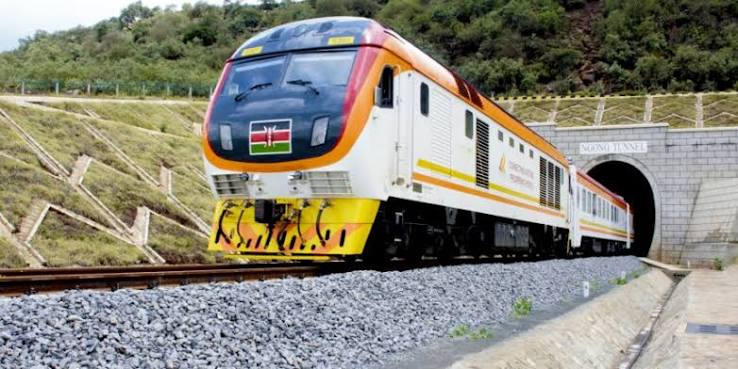
Kenya has secured a restructuring of approximately US$3.5 billion (KSh452 billion) in outstanding loans from China used to construct the Standard Gauge Railway (SGR), extending the repayment period by five years and reducing the immediate cost of servicing the debt.
The agreement with the Export-Import Bank of China covers three credit facilities contracted in 2014 and 2015 to finance the railway from Mombasa towards Naivasha. The loans, which were originally scheduled for repayment by 2035, have had their maturity extended to 2040, according to reports on the restructuring.
The deal also changed the currency of repayment from the US dollar to the Chinese yuan, replacing dollar-linked floating interest rates with lower yuan-denominated rates. This reduces Kenya’s exposure to fluctuations in US interest rates, although it shifts part of the currency and interest-rate risk towards China’s financial system.
National Treasury Cabinet Secretary John Mbadi has previously said the restructuring could save Kenya approximately US$215 million (about KSh27.9 billion) annually through lower interest costs.
The relief is already reflected in the country’s debt-service figures. Kenya paid Chinese lenders KSh107.74 billion in the financial year ended June 2026, down from KSh129.35 billion in the previous year, a reduction of KSh21.61 billion, according to Treasury figures.
However, the restructuring does not eliminate the financial burden of the railway, which remains one of Kenya’s largest externally financed infrastructure projects.
The government borrowed about KSh650 billion to build the railway, with China’s Exim Bank financing a significant share of the construction costs. The loans remain a major obligation for taxpayers, with repayments funded through the national budget.
The railway’s revenue arrangements have also complicated debt repayment. Under the financing agreement, revenue generated by the SGR is deposited into a jointly managed account with the Chinese lender. The Treasury has been seeking changes to the arrangement to allow railway earnings to contribute more directly towards servicing the loans.
The restructuring comes amid renewed scrutiny of the railway’s construction costs. In November 2026, the World Bank estimated that Kenya could have saved up to KSh117 billion through more competitive procurement and better management of land compensation.
While the revised loan terms provide fiscal breathing room, the long-term cost to taxpayers will depend on repayment obligations, currency movements and the railway’s ability to generate sufficient revenue.