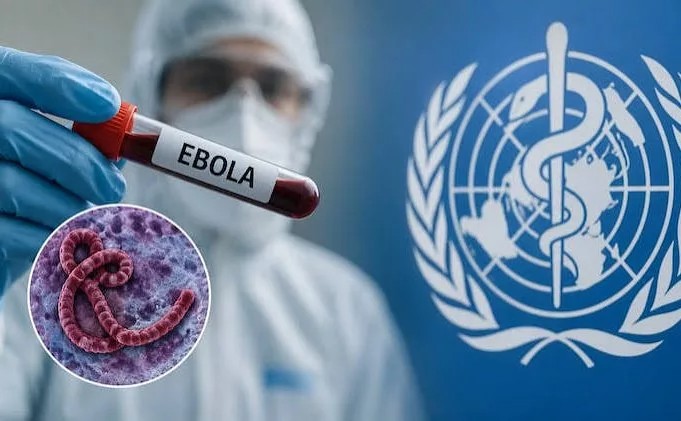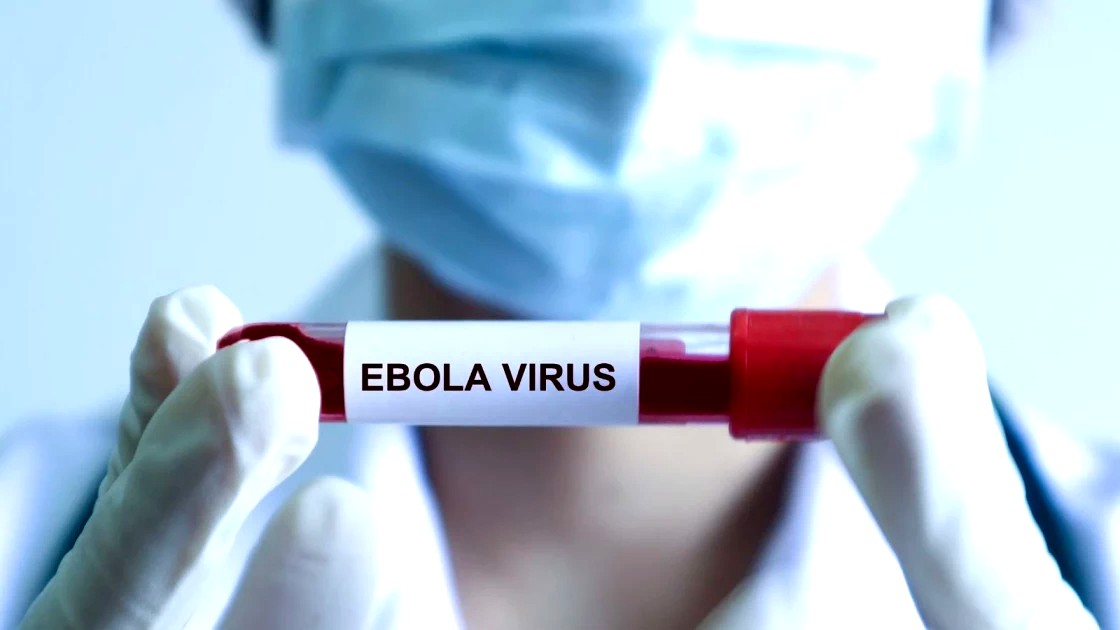
Kenya has confirmed another case of Ebola, bringing the total number of infections to eight as health authorities intensify efforts to contain the outbreak.
Health Director General Patrick Amoth said Sunday that the Ministry of Health tested 38 people, with one returning a positive result for the Bundibugyo strain of the virus.
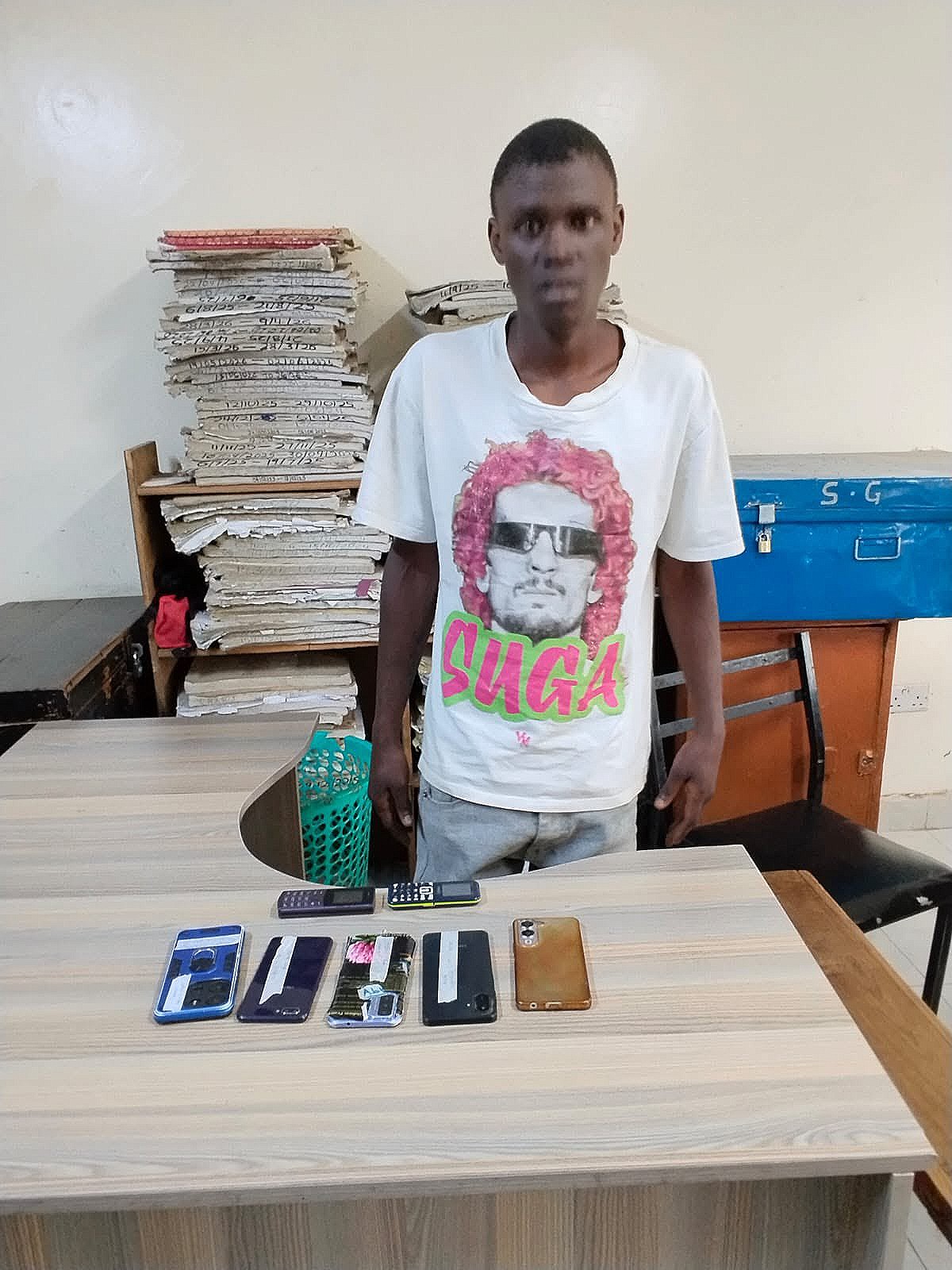
The latest patient is a 49-year-old male patient attendant who is not a direct healthcare worker.
According to Amoth, the man developed symptoms including fever, headache and muscle pain before testing positive.
The patient has since been isolated and is being prepared to receive treatment similar to that administered to the seven other confirmed patients.
Amoth said the other patients have been receiving monoclonal antibody treatment and are responding well.
The latest infection comes a day after Kenya announced four additional cases, including a close male relative of the first confirmed patient and three healthcare workers who attended to him while he was hospitalised.
Kenya confirmed its first Ebola case on October 6, 2026, involving a man who had been living in the Democratic Republic of the Congo (DRC).
He arrived in Nairobi on October 3 and died on the night of October 5 while receiving treatment at Nairobi Hospital.
Despite the rising number of infections, Amoth sought to reassure the public that the risk of community transmission remained low, particularly among people who had been quarantined after contact with confirmed patients.
He explained that Ebola symptoms can take several days to develop, meaning some infected individuals may have been in the community before becoming symptomatic. However, he maintained that the likelihood of transmission during that period was minimal.
The Health Director General urged Kenyans to remain vigilant and rely on official information from health authorities, warning that misinformation could undermine containment measures.
Amoth cited the experience of the Democratic Republic of the Congo, where denial of the outbreak reportedly contributed to unsafe practices involving bodies of deceased patients and subsequent super-spreader events.
He contrasted this with Uganda's response to an earlier outbreak, saying the country recorded two deaths out of 13 cases after implementing containment measures.
Kenya has received support from the World Health Organization, the United States government and AMREF as it steps up its response.
Amoth said the government had developed a contingency plan estimated to cost about 20 million US dollars over three to six months.
He added that the United States had committed 14.5 million dollars through implementing partners to support the response.
Health authorities continue to strengthen surveillance, isolate confirmed cases and trace contacts in a bid to prevent further spread of the virus.