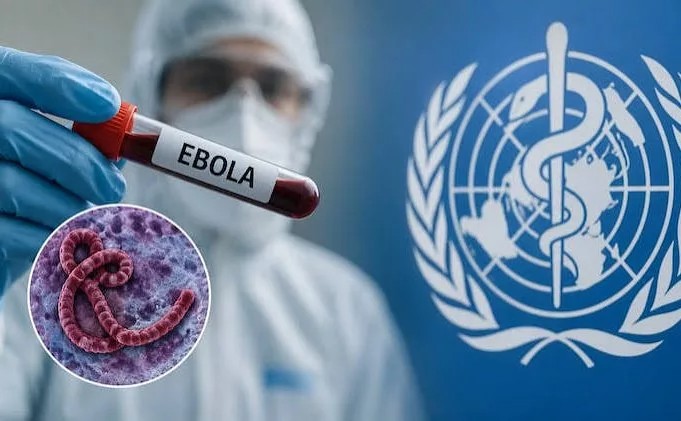
Kenya has confirmed seven cases of Ebola Bundibugyo virus disease, prompting intensified surveillance, contact tracing and public health monitoring as authorities work to contain further infections.
Despite the increase in confirmed cases, the Ministry of Health has assured Kenyans that the country remains open, with no restrictions on travel, trade or public gatherings.
In a statement published on its official X account, the Ministry urged the public to remain calm, stay vigilant and follow official health updates as the response to the outbreak continues.
The assurance comes after four additional infections were confirmed on October 17, bringing the total number of cases to seven, including the first patient who died earlier in the month.
Recent developments in Ebola cases
The latest developments have raised questions about the risk to ordinary Kenyans, what travellers should expect at airports and border crossings, and the precautions families should take to protect themselves without resorting to panic or misinformation.
Kenya confirmed its first imported case of Ebola Bundibugyo virus disease in early October involving a Kenyan citizen who had been living in the Democratic Republic of Congo, where an outbreak was already underway.
According to information released by health authorities, the patient travelled by road to Kampala, Uganda, before boarding a flight to Nairobi on October 3.
He was assessed and admitted for treatment after arriving in Kenya but later died on October 5.
Health officials subsequently identified people who had been in contact with the patient, including relatives and healthcare workers involved in his care.
On October 17, the Ministry confirmed four additional infections.
The new cases included three healthcare workers who had treated the initial patient and a male relative of the deceased.
The additional infections brought Kenya’s total to seven, including the first patient who died.
Importance of contact tracing
The identification of infections among people linked to the initial patient highlights the importance of contact tracing, isolation and infection prevention measures in containing the outbreak.
The Ministry has reported that most of the identified contacts have been traced and placed under quarantine.
As of October 17, reports indicated that 128 of 130 identified contacts had been traced and quarantined, with efforts continuing to locate the remaining two.
Authorities have emphasised that the detection of additional cases among people already being monitored does not, on its own, establish widespread community transmission.
For travellers, the Ministry’s assurance that Kenya remains open means there are no general restrictions on movement, trade or public gatherings announced in response to the confirmed cases.
However, the public should continue to observe applicable health measures and follow instructions issued by authorities.
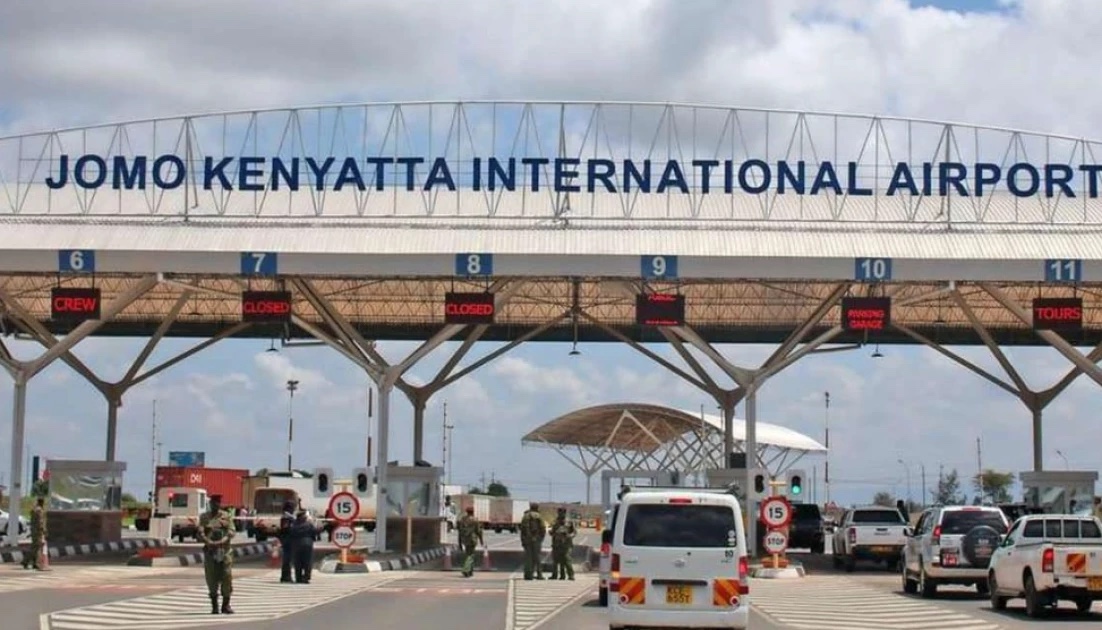
Travellers should expect that health screening or additional questions may apply at designated points of entry where enhanced surveillance measures are in place.
Requirements may vary depending on travel history and the countries from which passengers arrive.
People travelling internationally should confirm applicable entry requirements with their airlines and the relevant health or immigration authorities before departure.
They should also provide accurate information about recent travel and possible exposure when requested by health officials.
Anyone instructed to undergo monitoring or quarantine because of a suspected exposure should follow the directions given by public health authorities.
Travellers who develop symptoms after a possible exposure should seek medical advice promptly and inform healthcare providers about their travel history and any known contact with a suspected or confirmed case.
Anyone who believes they may have been exposed should contact health authorities for instructions before visiting a crowded healthcare facility, allowing appropriate precautions to be arranged.
The public has also been urged to avoid spreading unverified claims about infected passengers, named individuals or alleged exposure locations, as such reports can cause unnecessary alarm and expose people to stigma.
Ebola is a serious infectious disease caused by viruses in the Ebola group. The current outbreak affecting Kenya involves the Bundibugyo virus, a distinct type of Ebola virus.
According to the World Health Organization, Ebola spreads through direct contact with the blood or other bodily fluids of an infected person who is showing symptoms, or someone who has died from the disease.
Transmission can also occur through objects contaminated with infectious bodily fluids.
The disease is not spread simply because someone is in the same country as an infected person, and ordinary proximity alone does not necessarily constitute exposure.
People may face a risk through direct contact with infectious fluids, contaminated materials or situations involving inadequate infection prevention measures.
Healthcare workers and family members caring for sick people may be particularly vulnerable if appropriate protective measures are not followed.
Ebola is not generally transmitted through the air in the way common respiratory infections such as influenza can spread. Understanding this distinction is important in assessing risk and countering misinformation.
People should avoid contact with the bodily fluids of anyone suspected of having Ebola and should not attempt to care for a suspected case without guidance and appropriate protective measures.
The incubation period for Ebola can range from two to 21 days after exposure.
Symptoms may appear suddenly, and early signs can resemble those of other illnesses common in Kenya.
Possible symptoms include fever, severe tiredness or weakness, headache, muscle pain, sore throat, vomiting, diarrhoea and abdominal pain.
Unexplained bleeding can also occur in some cases, although not everyone with Ebola develops bleeding.
Having a fever or feeling tired does not automatically mean someone has Ebola, as malaria and other common infections can cause similar symptoms.
The important consideration is whether symptoms occur alongside a credible exposure risk, such as direct contact with a confirmed or suspected case or relevant travel history.
Anyone who develops compatible symptoms after a possible exposure should contact a recognised health facility or public health authority immediately and explain the circumstances.
Early assessment allows health professionals to determine the appropriate next steps.
Families should avoid attempting to diagnose Ebola at home or treating a suspected case without professional guidance.
The Ministry of Health has encouraged the public to maintain good hygiene, remain vigilant and follow established health advice.
Families should wash their hands thoroughly with soap and water, particularly after using the toilet, before handling food and after caring for someone who is unwell.
An appropriate alcohol-based hand rub may be used when suitable.
People should avoid contact with the blood, vomit, diarrhoea or other bodily fluids of anyone suspected of having Ebola. They should also avoid handling potentially contaminated clothing, bedding or other materials without professional guidance.
Anyone identified as a contact may be asked to undergo monitoring or quarantine for a specified period. These measures are intended to identify infections early and reduce the possibility of further transmission.
People being monitored should be treated with dignity and respect. Unverified accusations and the public disclosure of private medical information can cause harm without helping to contain the outbreak.
The public should also rely on credible sources of information, particularly Ministry of Health announcements and recognised public health agencies, before forwarding messages about new cases, alleged lockdowns or changes to travel rules.
Contact tracing remains one of the central tools in containing Ebola outbreaks.
The process involves identifying people who may have been exposed to an infected person, informing them of the risk and monitoring their health for the relevant period.
In Kenya’s case, health authorities have been tracing contacts linked to the first patient and monitoring those considered to be at risk.
Identifying and monitoring contacts can help detect infections early and allow health professionals to isolate cases promptly.
The detection of additional cases among people already linked to the first patient highlights the importance of maintaining surveillance throughout the monitoring period.
Authorities must also ensure healthcare workers have the protective equipment, training and facilities required to manage suspected and confirmed cases safely.
Public cooperation is equally important, particularly when health officials request information or advise individuals to undergo monitoring.
The Bundibugyo virus presents a particular challenge because vaccines and specific treatments developed for some other Ebola virus types do not necessarily provide protection against this strain.
According to the World Health Organization’s published disease guidance, approved vaccines and specific treatments are not available for every Ebola virus type.
There is no established approved vaccine or specific antiviral treatment for the Bundibugyo strain.
Challenges in treatment options
However, the absence of a strain-specific approved treatment does not mean patients cannot receive medical care. Supportive treatment, including careful management of fluids and symptoms, can improve the chances of survival.
Patients require care from trained healthcare professionals in facilities equipped to apply appropriate infection prevention and control procedures.
The outbreak response therefore depends on several measures working together, including early identification, laboratory testing, contact tracing, safe isolation, appropriate clinical care and community cooperation.
People should be wary of anyone promoting unverified remedies or claiming to offer guaranteed protection against Ebola.
For now, the Ministry’s public message is clear: remain calm, stay vigilant and follow official updates. Kenya has not announced general restrictions on travel, trade or public gatherings in response to the confirmed cases.
Travellers should check current requirements before departure, cooperate with any applicable screening and disclose relevant exposure information to health professionals.
Families should understand the symptoms, avoid direct contact with potentially infectious bodily fluids and seek prompt professional advice when there is a credible exposure concern.
Anyone who believes they may have been exposed should seek guidance through the Ministry of Health or a recognised health facility.
The public should also resist the temptation to treat every fever as Ebola or dismiss a possible exposure because symptoms initially appear mild.
The appropriate response is to consider the circumstances, obtain professional advice and follow the instructions of health authorities.
As the government continues contact tracing and surveillance, timely information and public cooperation will remain essential to containing the infections.
Public cooperation is essential
Kenyans should continue following the Ministry of Health’s official communication channels for updates on confirmed cases, screening requirements and any changes to public health measures.