High Court Judge Diana Kavedza-Mochache is set to deliver judgment on Monday, October 19, 2026, in the Shakahola murder trial involving controversial preacher Paul Nthenge Mackenzie and 30 co-accused.
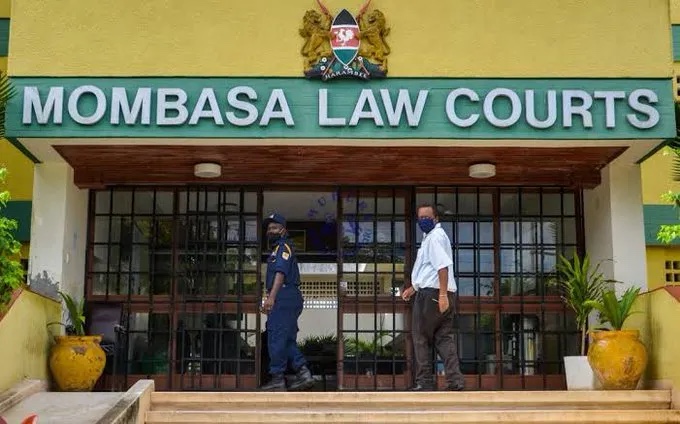
The judgment is scheduled for 9:00 a.m. at the Mombasa Law Courts in Criminal Case No. E003 of 2024, Republic v. Paul Nthenge Mackenzie and 30 Others.
The accused face 191 counts of murder linked to the deaths of children whose bodies were recovered from Shakahola Forest in Kilifi County.
The charges relate to alleged offences committed between January 2021 and September 2023, with the revelation shocking the country.
According to court records, the charges concern 11 identified children and 180 unidentified children.
The case stems from the Shakahola tragedy, in which hundreds of bodies were recovered from mass graves in the forest following investigations into a religious movement associated with Mackenzie.
The prosecution has urged the court to convict all 31 accused, arguing that the evidence presented demonstrates their involvement in the alleged offences.
The State called 121 witnesses and presented evidence, including postmortem reports, expert testimony and findings from government analysts.
The defence, however, has challenged the prosecution's case, arguing that it relies heavily on assumptions and circumstantial evidence and that the prosecution has not established the essential elements of murder in every count.
On April 15, 2026, Justice Kavedza-Mochache ruled that the prosecution had established a prima facie case against the accused, placing them on their defence under Section 211 of the Criminal Procedure Code.
The proceedings have also been marked by a legal dispute over the 191-count charge sheet.
In April 2025, the Court of Appeal overturned an earlier High Court directive seeking to reduce the number of murder counts, allowing the charges to proceed in the joint trial.
Monday's judgment will determine whether the prosecution has proved the murder charges against Mackenzie and his co-accused beyond reasonable doubt.