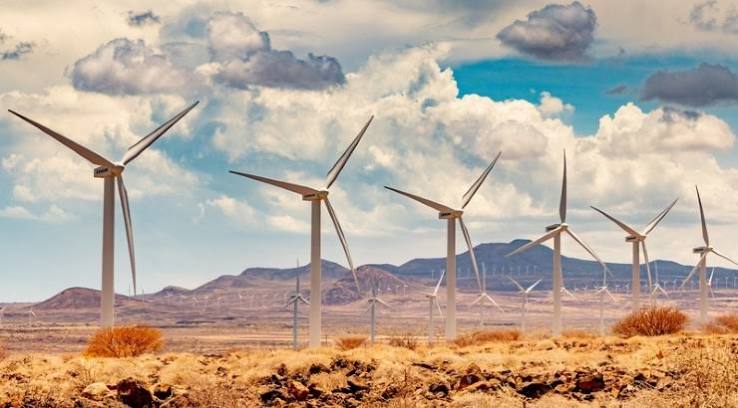
Kenya Electricity Generating Company (KenGen) has secured a €642,898 (approximately Sh91.8 million) grant from the French Development Agency (AFD) to advance feasibility studies for a major wind power project in Marsabit County, paving the way for a new source of electricity for Kenya's national grid.
The first phase of the proposed Marsabit Wind Project will have an installed capacity of 200 megawatts (MW), making it the joint fifth-largest wind farm in Africa alongside Morocco's Akhfenir facility if completed.
KenGen disclosed the funding in its annual report, listing the grant among donor-funded projects where money was paid directly to consultants undertaking the studies.
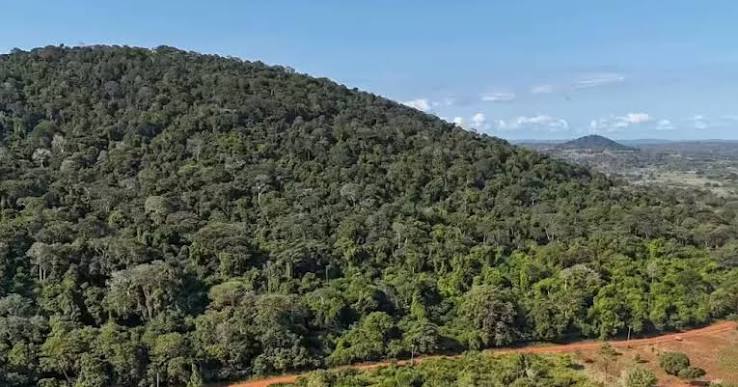
The initial 200MW installation forms part of a wider development plan that could eventually expand the project to 1,000MW through subsequent phases. The company's project details identify Marsabit as a location with strong wind resources suitable for large-scale electricity generation.
The development comes as Kenya faces pressure to secure additional electricity supplies amid rising demand from households and businesses. Increased reliance on electricity imports from Ethiopia has highlighted the need to expand domestic generation capacity and strengthen the reliability of the national grid.
Kenya Power imported 1,577.66 gigawatt-hours (GWh) of electricity from Ethiopia in the year to June 2026, according to figures reported by Business Daily. The imports were significantly higher than the 338GWh recorded in the year to June 2022.
KenGen remains the country's largest electricity generator, supplying 57.2% of the power purchased by Kenya Power in the financial year ended June 2026.
The Marsabit project is expected to contribute to the country's renewable energy capacity, although the grant does not finance construction. Feasibility work, environmental and social assessments, financing arrangements and other preparatory requirements must be addressed before the plant can be built.
The project will also need to navigate concerns raised by host communities over land acquisition, equipment transportation routes and the location of project facilities. Environmental assessments have identified potential impacts involving land use, livelihoods and biodiversity, including birds and bats.
KenGen's proposed development therefore represents both an opportunity to expand clean electricity generation and a test of how large infrastructure projects can balance investment, environmental safeguards and community interests.
If delivered as planned, the first phase would strengthen Kenya's wind generation capacity while creating a foundation for a much larger renewable energy project in northern Kenya.