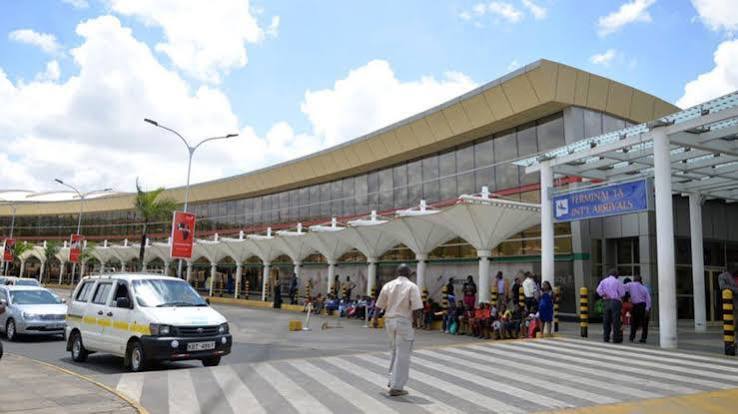
Travellers, taxi operators and businesses could face higher costs at Kenyan airports if proposed changes to commercial charges by the Kenya Airports Authority (KAA) are approved.
The authority wants to increase parking fees, introduce annual permits for commercial transport operators and replace the existing flat air cargo charge with a weight-based tariff under its proposed Commercial Charges Order 2026.
At Jomo Kenyatta International Airport (JKIA), motorists would pay Sh150 for parking of up to 30 minutes, up from Sh100. Those leaving their vehicles for 12 to 24 hours would pay Sh2,250, compared with the current Sh1,800.
The proposed increases extend across different parking durations, with charges rising by between Sh50 and Sh450 depending on how long a vehicle remains at the airport.
Taxi and ride-hailing operators would also face additional expenses through proposed airport access fees and annual vehicle permits. At JKIA, the access charge would range between Sh150 and Sh250 for every completed passenger trip, while annual permits for taxi and car-hire vehicles could range from Sh120,000 to Sh260,000, depending on the category.
The additional costs could push up airport transfer fares if operators pass the expenses to passengers. Tour companies and businesses operating fleets of airport vehicles could also face higher operating costs.
The proposed air cargo changes could have wider implications for importers and exporters. KAA wants to replace the existing Sh250 charge per air waybill with a tariff based on shipment weight, starting at US$8 for consignments of up to 500 kilogrammes.
Under the proposed formula, a 600-kilogramme shipment would attract a charge of US$13, while a five-tonne consignment would pay US$73.
The shift could significantly increase cargo handling-related costs for businesses importing electronics, machinery, pharmaceutical products and other goods by air. Exporters could also face higher expenses when shipping products to international markets.
Businesses may absorb some of the additional costs or pass them on through higher prices, potentially affecting consumers.
KAA says the review is intended to modernise its commercial charging framework, which is largely based on a 1996 order, and align fees with current operating conditions and the commercial value of airport facilities.
The authority has invited public feedback, with stakeholder meetings scheduled for November 24, 2026, and written submissions due by December 1.
The proposed charges are not yet in force and remain subject to the applicable approval process.