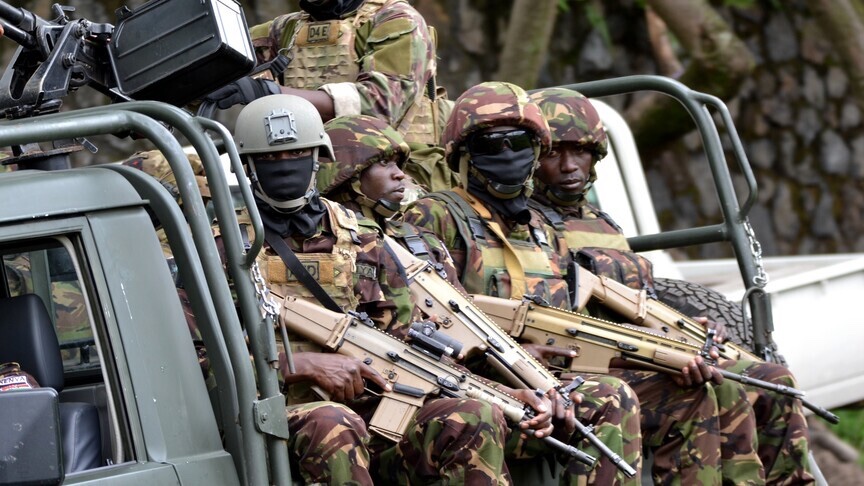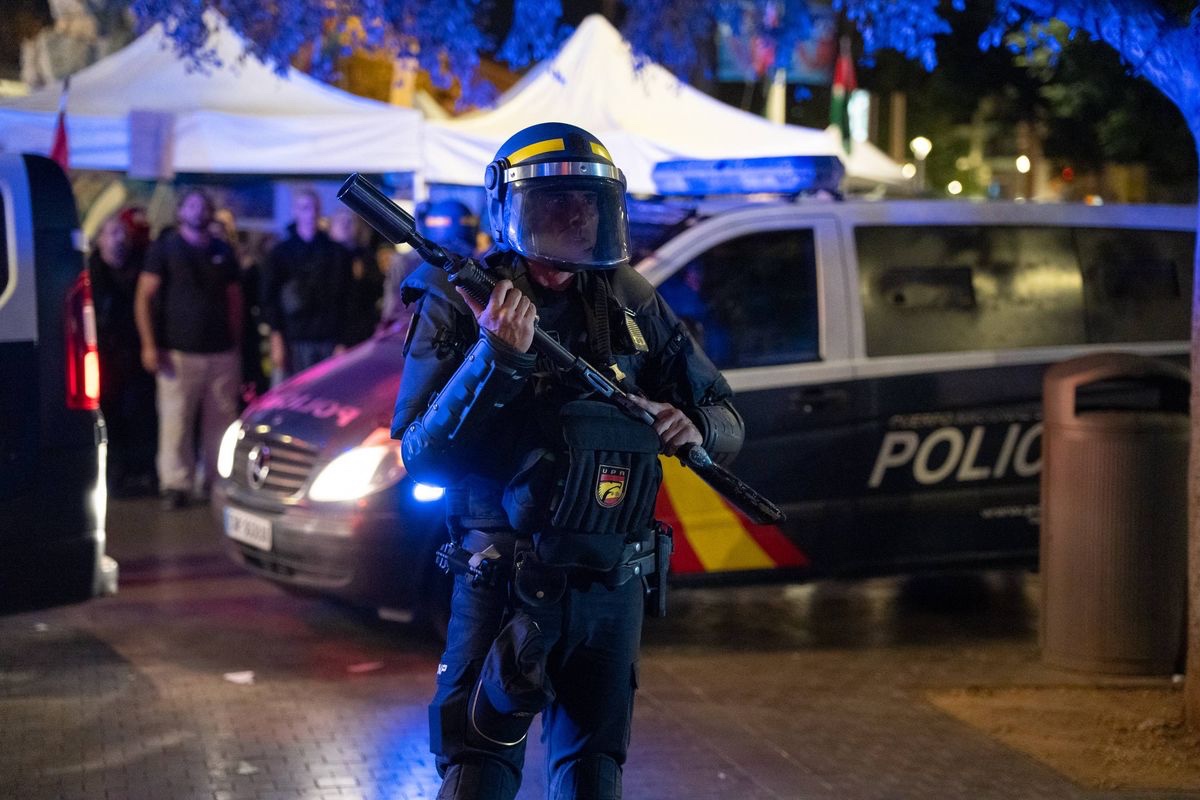
An international law enforcement operation targeting criminal networks involved in migrant smuggling across the Mediterranean Sea and the West African Atlantic route has resulted in 262 arrests, the opening of 434 investigations and the identification of 109 potential victims of human trafficking.
The four-day operation, known as Operation Communis Maris, was conducted between October 5 and 8, 2026, bringing together law enforcement and border management agencies from 16 countries across North and West Africa, southern Europe and the Middle East.
According to INTERPOL, the operation also led to the detection of 1,715 irregular migrants during coordinated efforts to dismantle organised criminal networks, identify human traffickers, rescue vulnerable people and bring suspected perpetrators to justice.
Of the 262 suspects arrested, 221 are accused of migrant smuggling, 16 of human trafficking and 25 of other offences, including the production and use of fraudulent travel documents.
The operation was led by INTERPOL, with operational support from Europol, Frontex, AFRIPOL, the International Organization for Migration and the United Nations Office on Drugs and Crime.
During the operation, 7,660 law enforcement officers conducted checks on more than 378,000 individuals, monitored known smuggling hotspots and strengthened screening at strategic locations.
INTERPOL deployed officers to an Operational Coordination Unit in Athens, Greece, to facilitate real-time intelligence sharing and support coordinated investigations.
A total of 210,594 searches were conducted against INTERPOL databases during the four-day exercise.
David Caunter, INTERPOL’s Director of Organized and Emerging Crime, warned that migrant smuggling networks continue to expose vulnerable people to serious danger.
He said the Mediterranean remains one of the world’s deadliest migration corridors, with thousands of lives lost annually.
Caunter noted that criminal networks exploit vulnerable populations through abuse, extortion and human trafficking, while frequently transporting migrants in overcrowded and unsafe vessels.
He said international cooperation was essential in identifying criminals, dismantling their networks and saving lives.
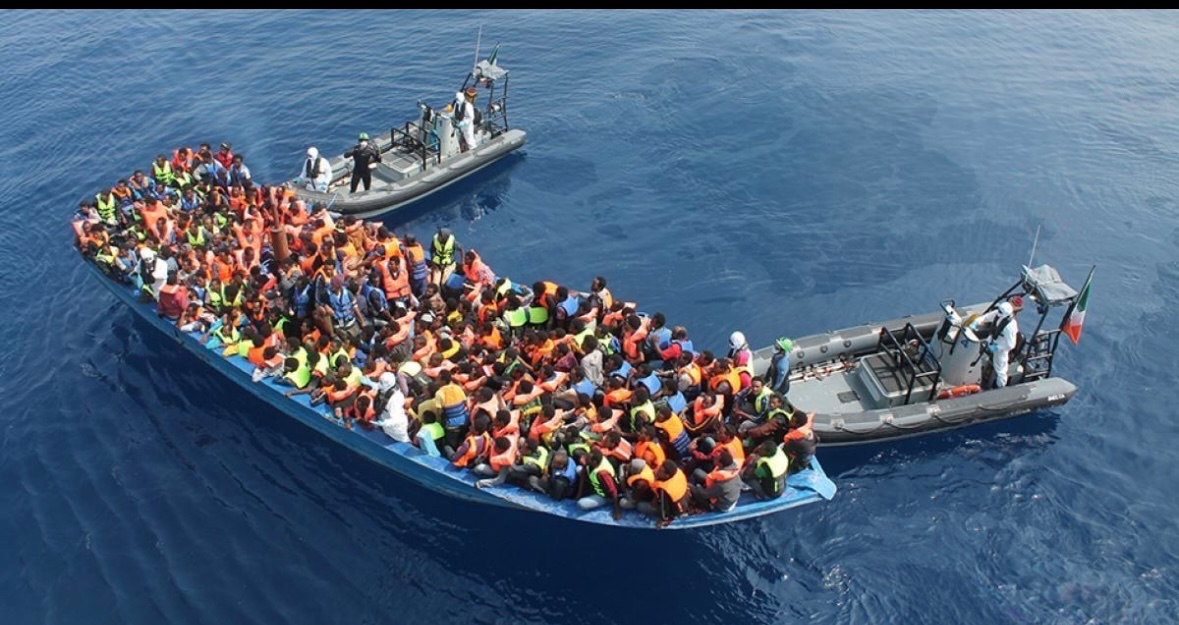
Several maritime interceptions were reported during the operation.
In southern Morocco, authorities intercepted a vessel carrying 70 people attempting to migrate irregularly, including 30 minors.
The group had reportedly spent six days at sea before being rescued.
In another incident, Senegalese officials alerted neighbouring authorities after detecting a vessel leaving the country’s territorial waters.
Mauritanian authorities intercepted the wooden boat, known as a pirogue, the following day.
It was carrying 80 passengers, including two children, while three suspected organisers were arrested.
Tunisian law enforcement also prevented an attempted sea crossing and arrested three nationals suspected of organising migrant smuggling activities. Officers seized a boat, a marine engine and other equipment.
INTERPOL said participating agencies identified 41 organised criminal groups suspected of involvement in migrant smuggling during the operation.
In Libya, authorities rescued 34 potential victims of human trafficking and arrested three individuals suspected of belonging to a criminal group involved in human trafficking, migrant smuggling and extortion.
Algerian authorities arrested six suspects in an investigation targeting a migrant-smuggling network. The suspects are also accused of endangering minors.
In Syria, coordinated maritime patrols and surveillance operations led to a raid on premises allegedly used by migrant smugglers.
Seven suspects, including the suspected ringleader, were arrested, while 22 irregular migrants were intercepted.
The crackdown also extended to airports and other entry points, with authorities targeting fraudulent travel documents and financial activities supporting the criminal networks.
Authorities in Cyprus and Greece arrested individuals at airports over alleged attempts to travel using forged documents.
In Morocco, one person was arrested on suspicion of supplying fraudulent passports and recruiting individuals for irregular migration.
Meanwhile, French police arrested six individuals suspected of money laundering, facilitating irregular migration and subjecting a vulnerable or dependent person to living conditions incompatible with human dignity.
Investigators also uncovered dozens of social media posts, groups and accounts advertising irregular migration routes and smuggling services.
INTERPOL said the intelligence gathered, together with the 434 newly opened investigations, could lead to additional arrests and further disruption of criminal networks in the coming weeks and months.