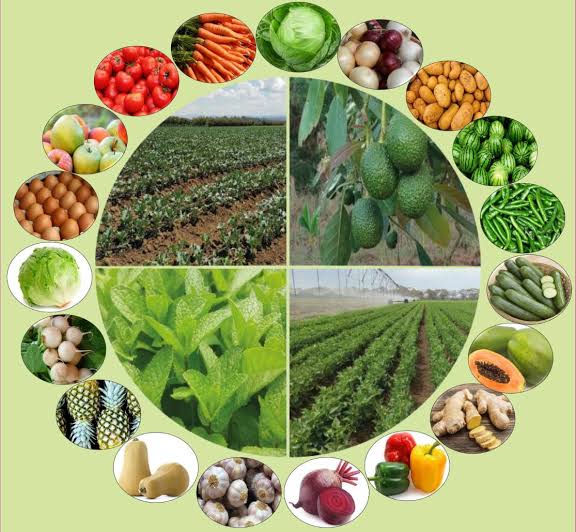
Horticulture exporters face a proposed 0.25 percent levy on the customs value of their produce under draft regulations. The charge would apply to fruits, vegetables and flowers, as well as avocado crude oil. The regulations are aimed at promoting and regulating the industry to meet international quality and food safety standards.
The proposed levy is calculated on the customs value of exported horticultural produce and avocado crude oil. Its stated purpose is to fund the promotion, development and regulation of the sector, including work to meet international standards on quality and food safety. The levy is proposed under regulations, which have not yet taken effect.
Exporters warn the cost could be passed on abroad. The levy could put upward pressure on prices in overseas markets for Kenyan avocados, mangoes, pineapples, French beans and snow peas, which compete closely with produce from other suppliers. Thin margins in fresh produce make any extra charge significant, even at a small percentage rate.
Impact on export prices
The move follows an earlier dispute. The Horticulture Directorate tried to introduce a similar 0.25 percent levy in 2022 and exporters including the Fresh Produce Consortium of Kenya, the Fresh Exporters Association of Kenya and the Avocado Association of Kenya challenged it in court. Exporters said the regulations gave no defined method for calculating customs value and that they had been consulted too late.
The industry says the financial burden is heavy. Earlier reports cited by exporters estimated that the levy could raise their annual tax payments from about Sh90 million to Sh377 million, and warned that more than 40 percent of horticultural exporters could close if it were implemented. The Directorate has argued that the funds would finance projects such as a fumigation plant with hot-water treatment for mangoes.
Financial implications for exporters
The levy comes as the government is trying to ease costs for the sector. Trade CS Lee Kinyanjui has proposed cutting VAT on horticulture inputs from 16 percent to 8 percent, and the Finance Bill 2026 proposed faster VAT refunds for exporters. Flower and fruit growers have pressed for those inputs to be zero-rated.
Government's response to industry concerns
The sector is significant. Kenya exported 457,700 tonnes of horticultural produce worth Sh143.78 billion in 2025, with cut flowers accounting for 55 percent of that value, fruits 30 percent and vegetables 15 percent.
The next signals will be the publication of the final regulations, the consultation process and any change to the levy rate or the basis for calculating it. Exporters will be watching whether the government works with the industry before adopting the charge.