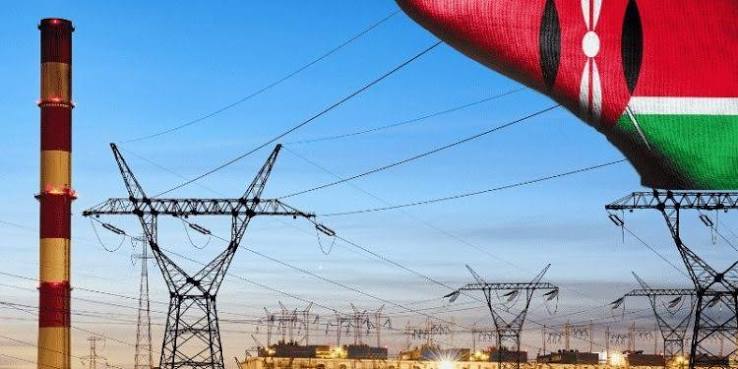
High electricity costs remain a constraint on Kenya’s manufacturing competitiveness, increasing production expenses for businesses and limiting the potential for investment and job creation, according to the World Bank’s November 2026 Kenya Economic Update.
The report identifies energy costs as one of the structural challenges affecting the business environment. Expensive and unpredictable power costs raise the cost of producing goods, making it harder for local manufacturers to compete with firms operating in countries where electricity is cheaper.
The issue is particularly important as Kenya seeks to expand industrial production and move towards higher-value economic activity. Manufacturing output improved in the first half of 2026, but the World Bank said wider structural constraints continue to limit the economy’s ability to generate stronger productivity gains and better jobs.
The lender examined the potential economic benefits of reducing electricity costs. Its modelling indicates that a 10 per cent reduction in electricity costs could improve productivity, gross domestic product, investment and wages.
The report links the cost of power to governance and transparency in the energy sector, including the way electricity is procured and the terms of power purchase agreements. It recommends more competitive and transparent procurement in the sector to help reduce costs and improve accountability.
The World Bank also called for greater transparency around power purchase agreements, commonly known as PPAs. These contracts determine important aspects of electricity supply and payments, making their terms and procurement processes relevant to the overall cost of power.
Reducing electricity costs would form part of a broader effort to lower the cost of doing business. The report also identifies logistics expenses, regulatory uncertainty and limited access to affordable credit as constraints on private investment.
The lender argues that addressing these barriers could help firms expand operations, invest in productive capacity and create employment. For manufacturers, lower power costs could improve their ability to compete while freeing resources for expansion and new equipment.
The report’s recommendations place energy-sector procurement reform among the measures needed to improve Kenya’s investment climate. Their impact will depend on whether greater transparency and competition translate into lower costs for businesses and consumers.