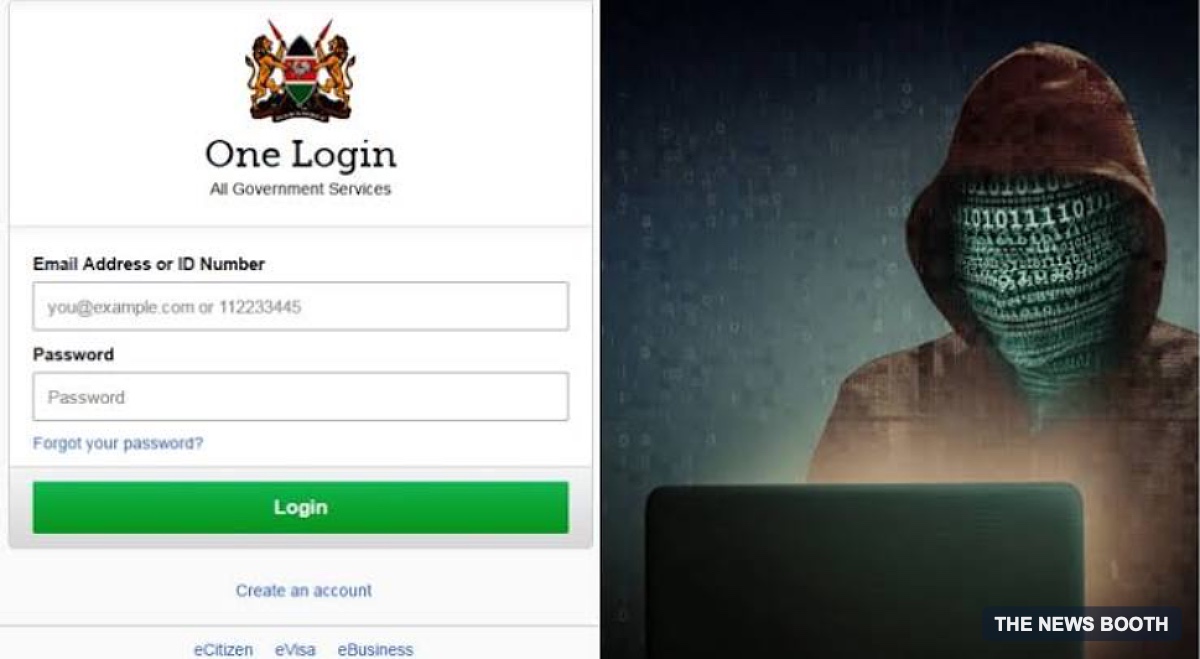
Kenya's eCitizen platform has been named in an alleged cyberattack after hackers claimed to have stolen approximately 740GB of government data, raising concerns over the security of personal information held on the country's digital services portal.
The claims were highlighted on November 24, 2026, by cybersecurity intelligence firm VECERT Analyser, which identified a threat actor operating under the name ByteToBreach as responsible for the alleged intrusion.
According to the firm's alert, the attackers claim to have obtained approximately 600GB of Know Your Customer (KYC) documents, 100GB of database content and 40GB of software source code.
The alleged KYC records could contain identity verification documents submitted by Kenyans when accessing government services. If the information was genuinely extracted, its exposure could increase the risk of identity theft, impersonation and targeted fraud.
VECERT also reported claims that the attackers exploited a vulnerability in eCitizen's file-upload system to execute malicious code and gain access to the platform's infrastructure.
The alert further raised concerns about possible access to eCitizen's OAuth and single sign-on authentication systems, which facilitate user access to connected services.
Institutions identified as potentially affected through these connections include the Social Health Authority, Directorate of Criminal Investigations, Safaricom and the National Police Service.
However, the allegations do not establish that these institutions suffered separate cyberattacks or that their databases were accessed.
VECERT cautioned that the reported intrusion, the authenticity of the files and the claimed compromise of authentication systems had not been officially confirmed by the Kenyan government or the institutions named.
The claims emerge amid growing cybersecurity threats targeting Kenya's digital infrastructure. The Communications Authority's July-September 2026 cybersecurity report recorded approximately 2.7 billion cyber threat events, a 14.45% increase from the preceding quarter.
Web application attacks rose by 57.62% to approximately 27.4 million during the period, with government systems among the targeted sectors. The regulator did not, however, link these figures to the alleged eCitizen incident.
The platform previously experienced a major cyberattack in July 2023, when distributed denial-of-service attacks disrupted access to government services, including passport applications and other online transactions.
The latest allegations are different because they involve claims of data extraction rather than service disruption.
As of November 24, 2026, the alleged 740GB theft had not been publicly confirmed by the government. A forensic investigation would be necessary to establish whether unauthorised access occurred, what information may have been extracted and whether citizens' personal records were compromised.
For Kenyans, the central concern is whether information submitted through government digital services remains secure and what measures authorities will take if the alleged breach is confirmed.