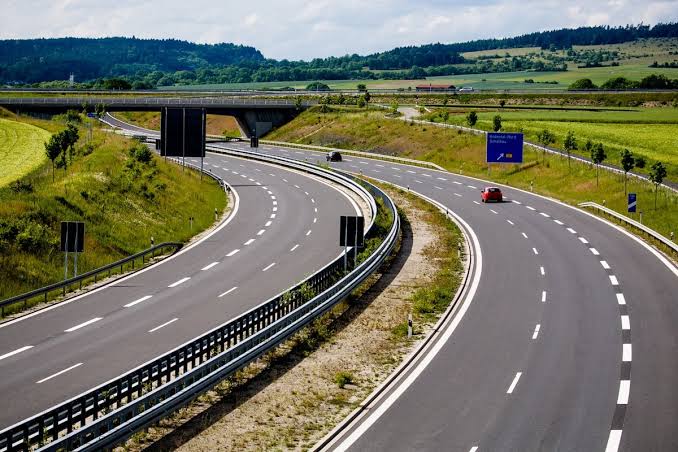
Kenya will pay private investors Sh38.18 billion over 10 years for 12 roads built under the Roads Annuity Programme, an Sh8.15 billion margin above the Sh30 billion construction cost. The roads opened to traffic in 2020. The payments cover construction, debt financing charges, routine maintenance and the investors' agreed return on equity.
The Roads Annuity Programme is a public-private partnership in which private developers finance, build and maintain roads, then recover their costs through scheduled payments from the government rather than tolls.
The contractors borrow from banks to fund construction, and repay those loans from the government instalments over the 10-year contract period. The government's payments therefore cover both the cost of the roads and the cost of the money used to build them.
The 12 roads were built in three lots at a combined baseline cost of Sh30 billion. The largest payout goes to the investors behind Lot 33 in Kajiado County, who are due Sh23 billion. The rest is spread across the other two lots, according to the Pulse analysis.
The margin is the figure that draws attention. A Sh8.15 billion gap between the total payments and the construction cost represents the financing charges, maintenance and return on equity built into the contracts. Whether that margin is reasonable depends on the interest rates negotiated, the risk the investors carried and the maintenance the contracts require.
The programme's guarantees reduce the risk to investors. The World Bank's Multilateral Investment Guarantee Agency guarantees some private investors against breach of contract, transfer restrictions, expropriation and war, for up to 10 years. Those protections help investors secure loans, but they also mean the government carries risks it would otherwise bear.
Treasury figures give a different picture of payments made so far. Eastleigh Voice reported that the Treasury had disbursed Sh30.89 billion to banks and construction firms for roads under the annuity programme across 11 counties, which suggests that a large part of the total has already been paid. The Pulse and Treasury figures measure different things, so readers should not add them together.
The programme has been reshaped over time. The original plan, a Sh260 billion commercial-bank-financed scheme for 10,000 kilometres of roads, was scaled back after lenders disputed interest rates. The government has since said it would shift the 10,000 kilometres of low-volume seal roads to budget funding, and it has moved towards user-pay toll concessions for roads that can generate traffic revenue.
Kenya's exposure to such contracts is wider than these 12 roads. Treasury has warned that termination fees on public-private deals, including road projects, could total Sh414 billion across 13 projects signed under the current and previous governments, which makes the cost of ending any of these contracts a live question.
The next signals will be the government's annual annuity payments, any Treasury statement on the programme's cost, and the shift between annuity and toll-based models. Taxpayers and parliament will watch whether the margins paid to private investors are justified by the risks they carry.