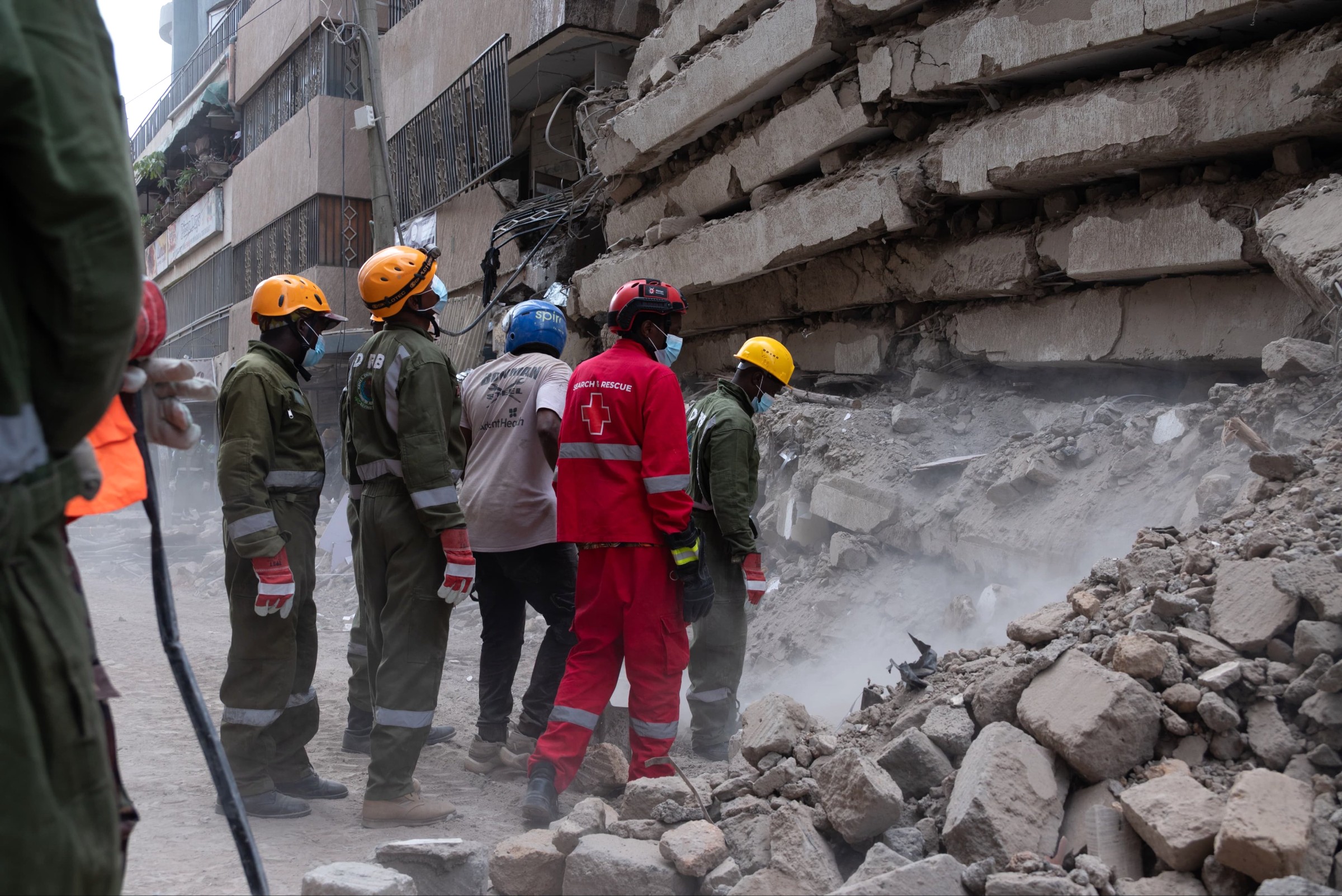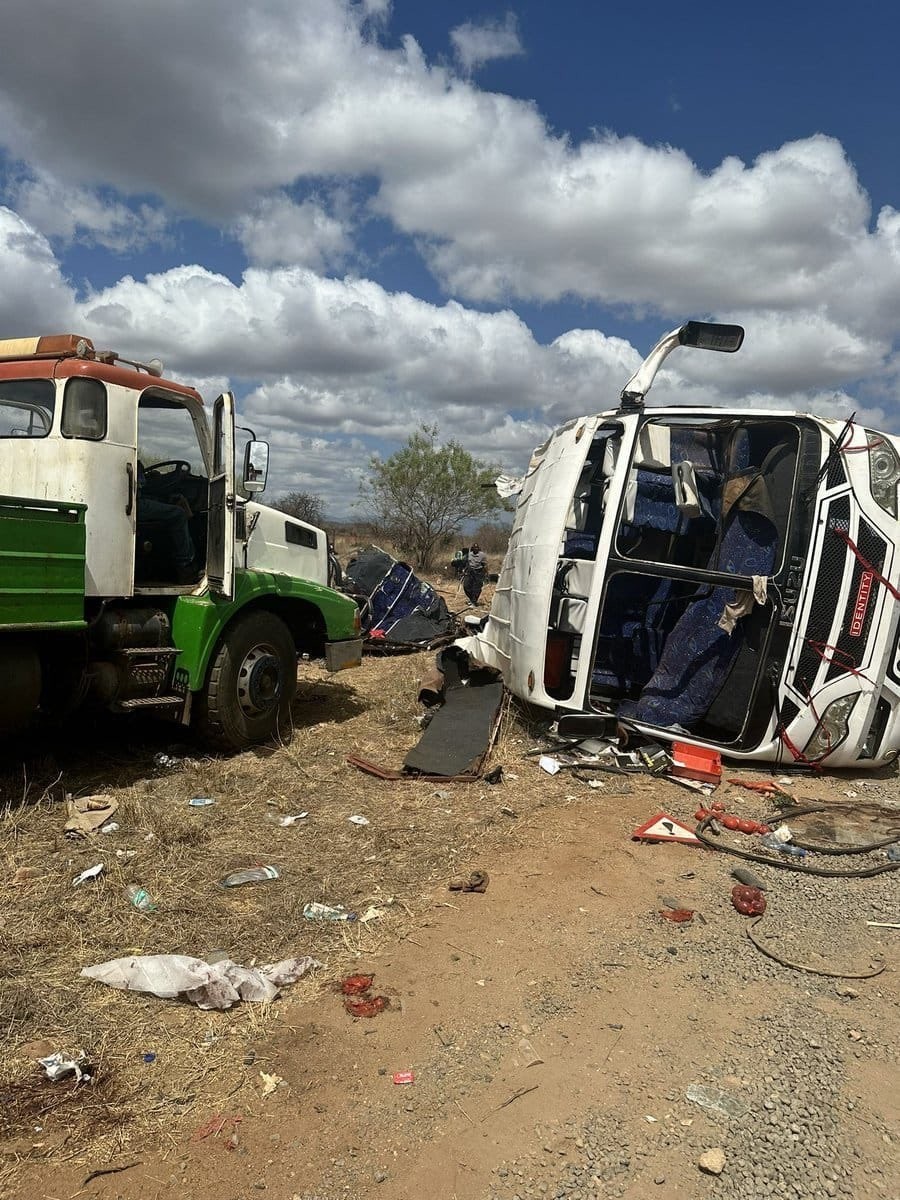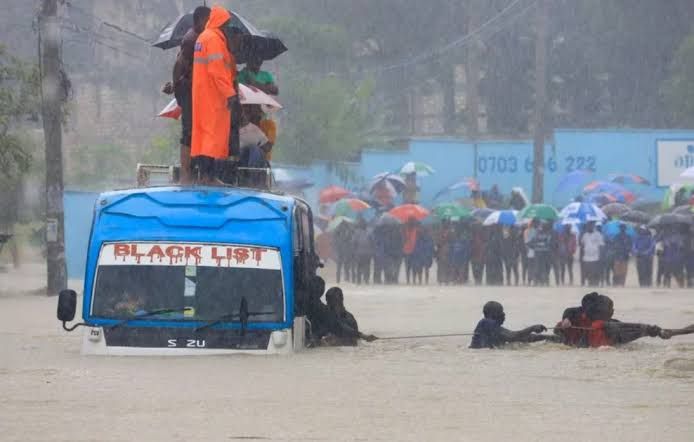
Kenya is bracing for the onset of El Niño rains, with a more than 90 per cent likelihood of occurrence, according to government forecasts. The government has issued a stern warning to residents in flood-prone and riparian areas, urging them to relocate to safer grounds as a precautionary measure. Government Spokesperson Charles Owino emphasized the urgency of the situation, stating that a public notice has been dispatched to those occupying high-risk zones, advising them to vacate immediately. This move is part of a broader strategy by the authorities to intensify preparations for the anticipated heavy rains.
In a coordinated effort, the national government is collaborating closely with county governments to identify areas susceptible to flooding. This partnership aims to establish effective mechanisms for delivering humanitarian assistance to communities that may be affected by the adverse weather conditions. Owino further noted that all government departments have been instructed to implement preparedness measures to mitigate the potential impact of the rains.
Despite the looming threat of El Niño, the government has assured that the academic calendar will remain unaffected. Basic Education Principal Secretary John Ololtuaa has reassured the public that schools and national examinations will proceed as scheduled. The Ministry of Education is actively mapping out strategies to ensure that examination materials are delivered to schools on time, particularly in regions that are likely to experience flooding. Ololtuaa affirmed the government's commitment to maintaining the examination timetable, regardless of the severity of the weather conditions.
The Kenya Meteorological Department has reported that El Niño conditions are gaining momentum in the Indian Ocean and are expected to persist from October 2026 through February 2027. However, Western Kenya might begin experiencing these conditions as early as September, according to meteorological projections. The government has identified 18 counties as potentially high-risk areas, with particular concern for regions across the Coast, Lake, North Eastern, and Rift Valley areas. These counties include Tana River, Kilifi, Lamu, Mombasa, Kwale, Kisumu, Busia, Siaya, Homa Bay, and Migori.
As the country prepares for the impending weather changes, the government's proactive measures aim to safeguard lives and property while ensuring that essential services, such as education, continue uninterrupted. The emphasis remains on community safety and resilience, with authorities urging citizens to heed warnings and cooperate with evacuation and safety directives.