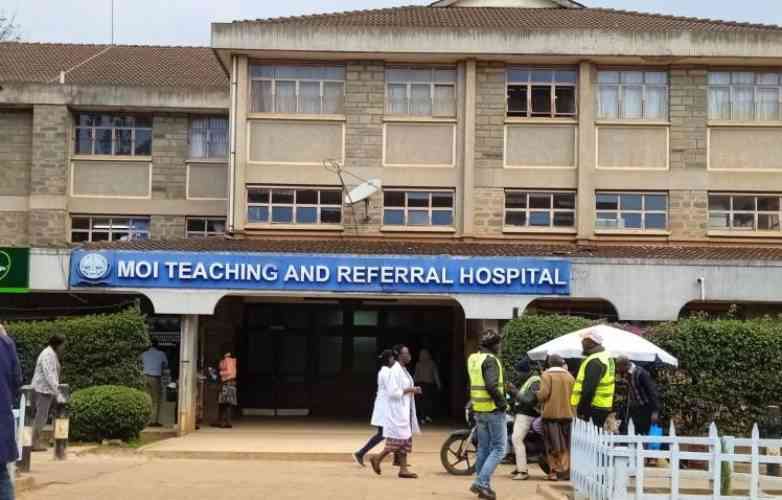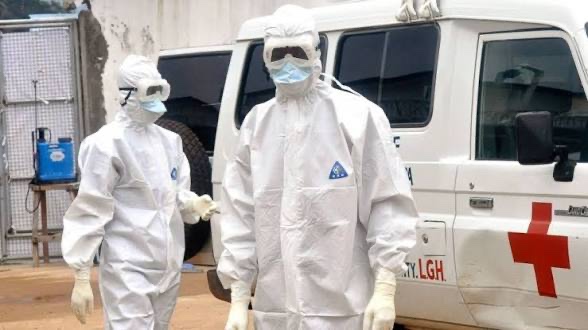
The Kenya Association of Physicians (KAP) has voiced strong opposition to the Ministry of Health’s proposal to establish an Ebola quarantine and treatment facility in Kenya. This facility is intended to manage patients on behalf of the US government. KAP has raised concerns over potential biosecurity risks and a lack of transparency in the decision-making process.
In a press statement, KAP President Dr Erick Njenga expressed the association's disapproval, highlighting that the proposal was made without consulting key stakeholders. These stakeholders include infectious disease specialists and physicians, who are crucial in managing such high-risk health initiatives. “KAP is profoundly concerned by the complete lack of transparency surrounding this initiative and the total exclusion of key stakeholders, including infectious disease specialists and physicians from the decision-making process,” Dr Njenga stated.
Dr Njenga further elaborated on the risks associated with the specific Ebola strain in question. This strain poses a significant threat as there is currently no known vaccine or treatment available. Moreover, Kenya's diagnostic capabilities remain limited, with no validated testing tools to effectively manage potential outbreaks. “Regardless of the very best containment strategies, the risk of exposure to the local community remains a real risk, which we cannot afford to take,” he warned.
The KAP president also questioned the rationale behind the agreement, pointing out the apparent contradiction in the US government's stance. Despite having superior containment infrastructure, the US has declared it would not allow Ebola cases within its borders. “If the risk is deemed too severe for America, it beggars belief that the Kenyan government seems willing to expose its citizens to it under the cover of global responsibility,” Dr Njenga remarked.
In light of these concerns, the association has urged the Kenyan government to immediately suspend the process and focus on prioritizing national health security. “We urge the government to halt this process immediately, prioritize national health security, and engage local medical experts,” Dr Njenga emphasized.
KAP, which serves as the umbrella body for all medical subspecialty groups in Kenya, has expressed its willingness to collaborate with the Ministry of Health. The association is open to working together to develop safe and transparent protocols should such facilities be considered in the future. This collaboration, they believe, is essential to ensure that any health initiatives undertaken do not compromise the safety and well-being of Kenyan citizens.