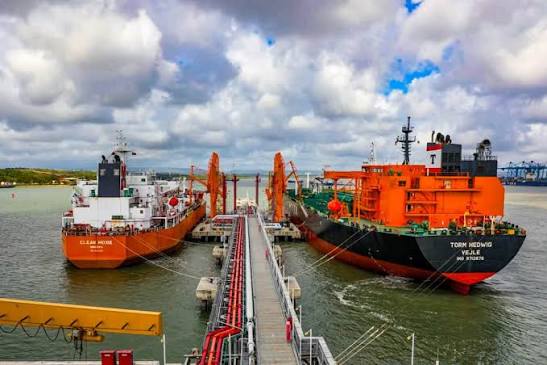
Four oil tankers are expected at the Port of Mombasa as Kenya prepares for the December holiday season, when increased travel, transport and commercial activity typically raises demand for petroleum products and other imported goods.
The expected arrivals form part of a wider vessel schedule issued by the Kenya Ports Authority (KPA), highlighting the port’s role in maintaining the flow of essential imports into Kenya and neighbouring countries.
The tankers are expected to support the movement of petroleum products through Mombasa, which serves as the country's main maritime gateway for fuel imports. Products handled through the port are transferred into storage facilities and distribution networks before reaching fuel retailers, businesses and consumers.
The timing is significant for transport operators, manufacturers, traders and households, as fuel costs influence the price of moving people and goods across the country. Any disruption or delay in petroleum deliveries can also place pressure on supply chains.
The December holiday period is particularly important for the transport and hospitality sectors, with increased passenger travel, deliveries and business activity potentially raising demand for fuel.
However, the arrival of oil tankers does not automatically translate into lower pump prices. Retail fuel prices are determined through the Energy and Petroleum Regulatory Authority's monthly pricing process, which considers factors including the landed cost of imported petroleum products, exchange rates and other regulated components.
Mombasa's petroleum infrastructure includes the Kipevu Oil Terminal and Shimanzi Oil Terminal, which handle different categories of liquid cargo. The Kipevu facility is connected to storage infrastructure and pipelines that support the movement of petroleum products inland.
The port also serves landlocked markets across East and Central Africa, including Uganda, Rwanda, Burundi, South Sudan and the eastern Democratic Republic of Congo, making its performance important beyond Kenya's domestic market.
KPA publishes rolling 14-day vessel schedules to give importers, shipping agents and other port users advance information on expected ship movements and cargo operations.
The four scheduled tanker arrivals will therefore be watched by petroleum marketers and logistics operators as the country enters the busy end-of-year trading and travel period.