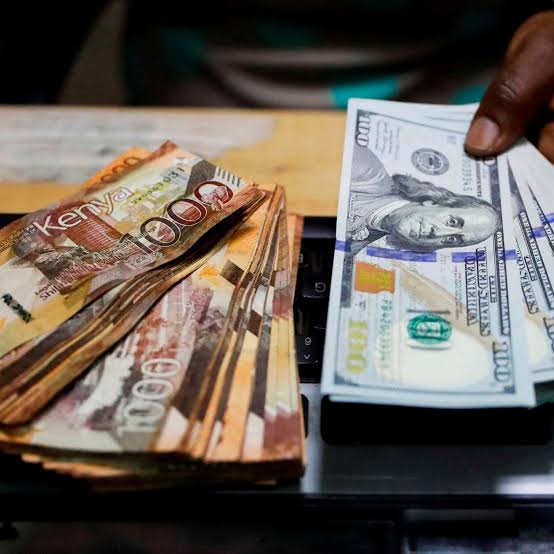
The Kenyan shilling traded at Sh129.94 to the US dollar on Monday, November 2, 2026, according to the Central Bank of Kenya’s (CBK) daily exchange rates, opening the new month little changed and holding just below the Sh130 mark.
The rate is two cents stronger than the Sh129.96 quoted on Thursday, October 29. It is 23 cents weaker than the Sh129.71 recorded on October 1, a decline of less than 0.2 percent over October. The CBK’s weekly bulletin of October 30 described the shilling as stable against major international and regional currencies in the week ending October 29.
Against other major currencies, the shilling softened. The British pound rose to Sh173.93 from Sh173.04 on Thursday, the euro to Sh144.91 from Sh144.78, and the Japanese yen to Sh82.63 per 100 yen from Sh82.33. The shilling firmed slightly against the South African rand, which eased to Sh7.78 from Sh7.81.
In the region, one Kenyan shilling bought 32.62 Ugandan shillings, down from 33.50 on Thursday, and 20.31 Tanzanian shillings, down from 20.39. It bought 11.35 Rwandan francs, against 11.36 earlier.
The currency continues to be supported by a comfortable foreign exchange cushion.
The CBK reported reserves of $14.74 billion, equivalent to 5.9 months of import cover, as of October 29, up from $14.69 billion a week earlier and above the statutory minimum of four months. The money market remained liquid, with commercial banks’ excess reserves averaging Sh32.6 billion above the cash reserve requirement, and the Kenya Shilling Overnight Interbank Average (KESONIA) held at 8.75 percent.
Pressure from prices is building, however. Inflation rose to 7.3 percent in October from 6.8 percent in September, its highest in about three years and just 0.2 percentage points below the upper limit of the CBK’s 2.5 to 7.5 percent target range, driven by higher fuel, transport and food costs.
The Monetary Policy Committee left the Central Bank Rate unchanged at 8.75 percent on October 7.
Market participants will look to the Treasury’s Sh50 billion bond sale, which closes on Wednesday, November 4, and the next Treasury bill auction on Thursday, November 5, for signs of how investors view the rate outlook. Higher oil prices remain a risk for the shilling because they raise Kenya’s import bill and the demand for dollars.