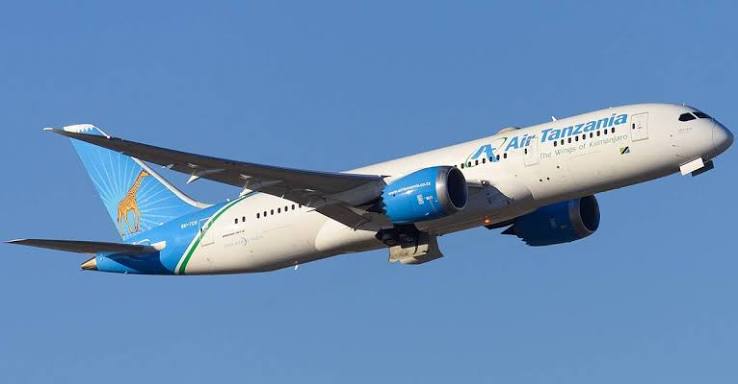
The European Union has maintained its air safety restrictions on airlines certified in 12 African countries in the latest update to its Air Safety List, reported on November 17, 2026. The list names 87 individual airlines across those countries, with Tanzania having the most. Tanzania has 34 operators on the list, including Air Tanzania, followed by the Democratic Republic of Congo with 13 and Sudan with 12.
The EU Air Safety List identifies airlines that do not meet international safety standards, and it bars them from operating to, from or over the European Union. The latest revision is the 48th update since the list was first published in 2006.
The restrictions apply where a country’s aviation authority has not shown it can supervise its carriers effectively, so the ban can cover every airline certified in that country.
Tanzania’s position is the most striking. The EU first listed Air Tanzania in December 2024, and in June 2025 it extended the ban to all airlines certified in Tanzania.
Its civil aviation authority has since been listed as failing to supervise its operators, and all 34 operators it certifies remain banned, according to the latest list.
Other countries face similar restrictions. The Democratic Republic of Congo has 13 named airlines, Sudan has 12, Libya has 10, Angola has seven and the Republic of Congo has five. Some of these bans are driven by conflict, which affects both the capacity of national regulators and the condition of aircraft.
Sources differ on the total. Several outlets report 87 airlines named across the 12 countries, while others, counting two carriers added in the update, put the total at 89. The EU also separately bans Air Express Algeria and Air Zimbabwe, which are named individually.
For passengers, the list matters because it decides whether a carrier can fly into Europe at all. Travellers from affected countries often have to connect through other hubs, which adds time and cost, and it can make it harder for African carriers to expand routes to European cities.
The ban also affects airlines’ plans. Air Tanzania has said it would like to resume EU operations if its ban is lifted, but any change depends on the EU’s assessment of the national regulator. Lifting a ban requires the regulator to demonstrate improvements, not simply the airline’s own commitments.
The list is reviewed regularly, so the picture can change. Airlines can be added or removed as their regulators improve oversight, and the EU publishes updates as assessments conclude.
The next signals will be whether Tanzania’s civil aviation authority meets the conditions for a review and whether any of the affected carriers get back onto the permitted list.