Emirates Group has remained profitable despite the Gulf conflict, disrupted flight routes and soaring jet fuel prices, reporting a profit before tax of US$1.1 billion for the first half of its 2026/27 financial year.
The Dubai-based aviation group recorded a profit after tax of US$1.0 billion for the six months ended September 30, 2026, although this represented a 66 per cent decline compared with the same period last year.
Revenue also fell 12 per cent to US$18.0 billion, down from US$20.6 billion a year earlier, reflecting the impact of regional instability on aviation operations and travel demand.
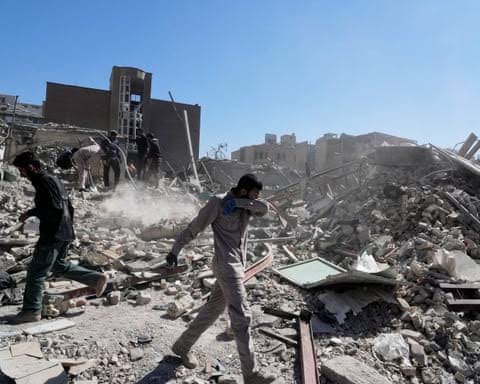
The results demonstrate how Emirates has managed to remain in the black despite one of the most challenging operating environments for Middle Eastern aviation, with intermittent airspace closures, travel advisories and higher fuel prices affecting its network.
The airline's fuel costs before hedging rose by 60 per cent compared with the corresponding period last year, as global jet fuel prices doubled.
Fuel accounted for 34 per cent of Emirates' operating costs, making it the airline's largest expense.
However, gains of US$1.9 billion from its fuel-price risk management strategy helped offset the increase, limiting the net rise in fuel costs to 13 per cent.
The airline also relied on its strong cash position to support operations, aircraft payments and debt obligations.
Emirates Group held US$14.7 billion in cash and cash equivalents at the end of September, down from US$16.2 billion at the end of March 2026.
Passenger operations were particularly affected by the regional disruptions. Emirates carried 21.8 million passengers during the six-month period, representing a 22 per cent decline from the previous year.
Its passenger capacity fell 17 per cent, while the average passenger seat factor dropped to 72 per cent from 79.5 per cent.
Despite the setbacks, the airline had restored operations across 91 per cent of its pre-disruption network by September, connecting 150 airports in 78 countries and territories through its Dubai hub.
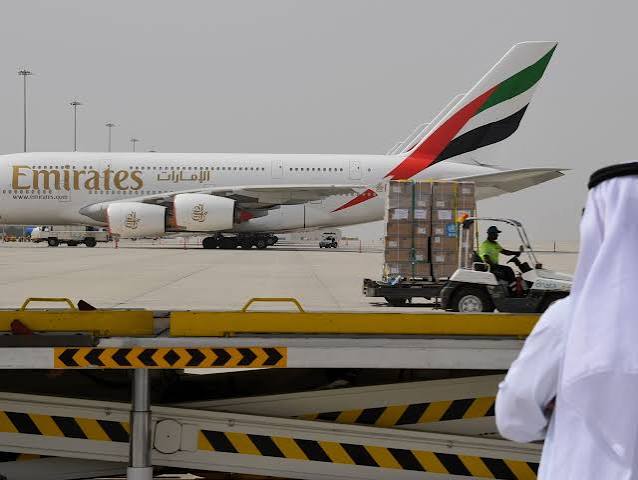
Cargo operations provided an important source of support. Emirates SkyCargo transported 1.2 million tonnes of cargo, slightly below the previous year's volume, but cargo revenue increased by 52 per cent as disruptions to shipping routes pushed more businesses towards air freight.
Emirates Group Chairman and Chief Executive Sheikh Ahmed bin Saeed Al Maktoum said customer demand had remained firm and cargo had made a strong contribution despite the pressure on costs and profitability.
The group enters the second half of its financial year with measured optimism, although management says it will continue monitoring geopolitical developments and operating expenses.
For the aviation industry, Emirates' performance illustrates how cash reserves, fuel-risk management and diversified revenue streams can help airlines withstand major external shocks, even when passenger traffic and earnings come under pressure.