Kenya’s tourism recovery is providing a strong boost to hotels, restaurants and other hospitality businesses, with the accommodation and food services sector recording growth of 11.1% in the first half of 2026.
The performance, reported in the World Bank’s November 2026 Kenya Economic Update, marked an improvement from the 10.4% growth recorded during the same period in 2025.
The figures place hospitality among the stronger-performing parts of Kenya’s services economy, which expanded by 5.2% during the first half of the year.
The World Bank attributed the performance of accommodation and restaurant activities to the continued recovery in tourism, highlighting the importance of visitor spending to businesses operating across the hospitality value chain.
The growth provides a positive signal for hotels, restaurants, tour operators and other enterprises that depend on domestic and international travel.
Tourism also supports businesses beyond accommodation and food services. Visitor spending can generate demand for transport, entertainment, retail, tour services and locally produced agricultural goods supplied to hotels and restaurants.
The wider services sector recorded growth in several other areas. Information and communication activities expanded by 6.1%, education services by 5.7%, and real estate by 5.2%. Wholesale and retail trade grew by 4.4%, while transport and storage increased by 4.0%.
The hospitality industry's performance is particularly significant because tourism-related businesses rely on a broad network of suppliers and service providers. Increased activity can create opportunities for small enterprises supplying food, transport, cleaning, entertainment and other services.
However, the growth figures do not establish how many additional jobs were created or how much individual businesses increased their revenues. They measure the sector's economic performance rather than the direct financial gains of every hotel or restaurant.
The recovery is also taking place against a challenging economic environment. Higher fuel and transport costs could raise operating expenses for hospitality businesses, while increased prices for food and other supplies may put pressure on profit margins.
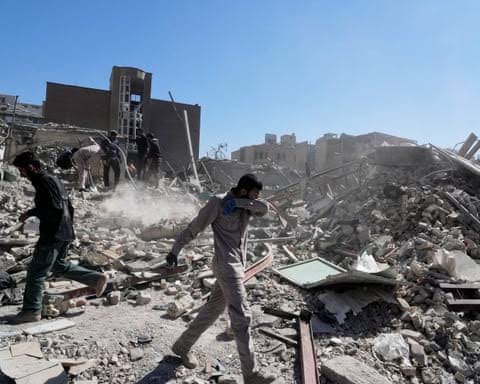
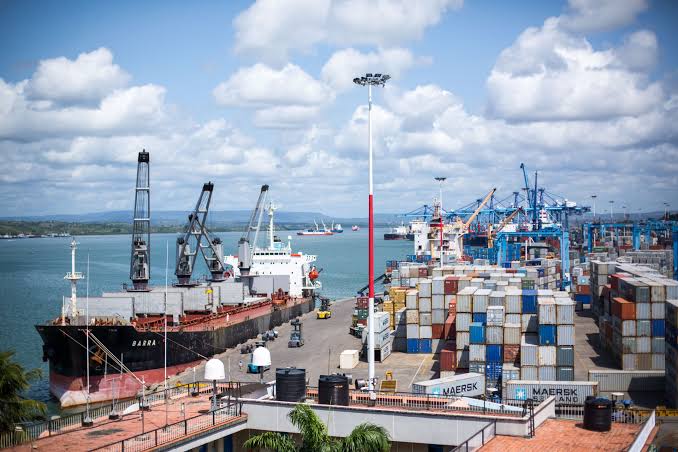
The World Bank has warned that a prolonged conflict in the Middle East could keep energy and shipping costs elevated, potentially affecting travel expenses and the wider business environment.
Even with these risks, the 11.1% expansion shows that accommodation and restaurant activities remained a significant source of momentum in Kenya's services economy during the first half of 2026.
For businesses in the tourism value chain, sustaining that recovery will depend on attracting visitors, managing operating costs and ensuring that increased activity translates into more opportunities for workers and local suppliers.