As the conflict in the Middle East drives up global energy and transport costs, Kenya faces the risk of more households slipping into poverty, with as many as 2.4 million additional people potentially affected in 2026.
The warning is contained in the World Bank’s November 2026 Kenya Economic Update, which examines how external price shocks could affect household incomes and living standards.
The Bank's simulations suggest that higher prices associated with the conflict could push an additional 1.0 million to 2.4 million Kenyans below the international poverty line, with urban households particularly exposed.
The projected impact highlights how international conflicts can reach Kenyan households through the cost of fuel, transport, food and other essential goods, even when the fighting is taking place thousands of kilometres away.
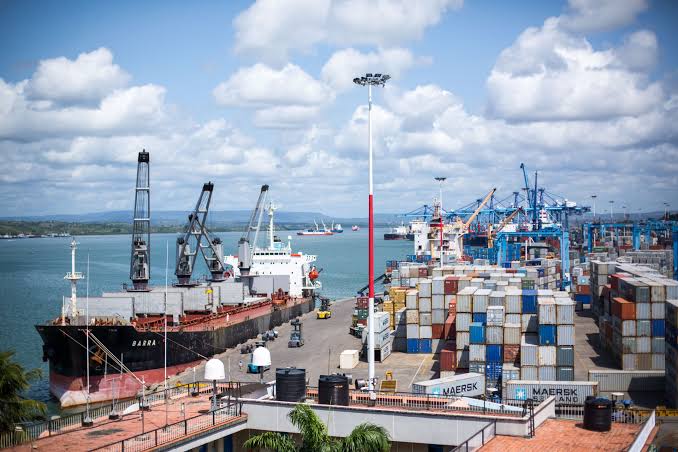
Kenya depends heavily on imported petroleum products, making its economy vulnerable to disruptions in global oil markets. Higher fuel prices increase the cost of transporting goods and operating businesses, while also putting pressure on production costs across different sectors.
These expenses can eventually be passed on to consumers through higher prices, reducing the amount of money households have available for food, rent, education and other necessities.
The pressure comes at a time when household purchasing power is already facing significant challenges. The World Bank projects private consumption growth to slow to 4.1% in 2026, partly because higher energy and transport costs are expected to constrain spending.
The report also warns that growth in the wider economy does not automatically translate into improved living standards for all Kenyans. Although economic activity accelerated to 5.2% in the first half of 2026, informal employment continues to dominate the labour market, limiting the security and earning potential of many workers.
For households dependent on daily earnings, small businesses and informal employment, increases in transport and food costs can quickly absorb available income.
The World Bank's estimate is a simulation of the possible consequences of higher global prices, not a count of people already confirmed to have fallen into poverty. The actual impact will depend on how international prices develop and how those changes feed into domestic costs.
The warning nevertheless places the cost of living at the centre of Kenya's economic outlook. It suggests that protecting household purchasing power will require attention not only to domestic inflation but also to the country's exposure to external shocks.
The report says a prolonged Middle East conflict could keep fuel and shipping costs elevated, intensify inflationary pressures and weaken household welfare.
For millions of Kenyans already managing tight budgets, the consequences could extend beyond more expensive fuel to the affordability of everyday essentials.