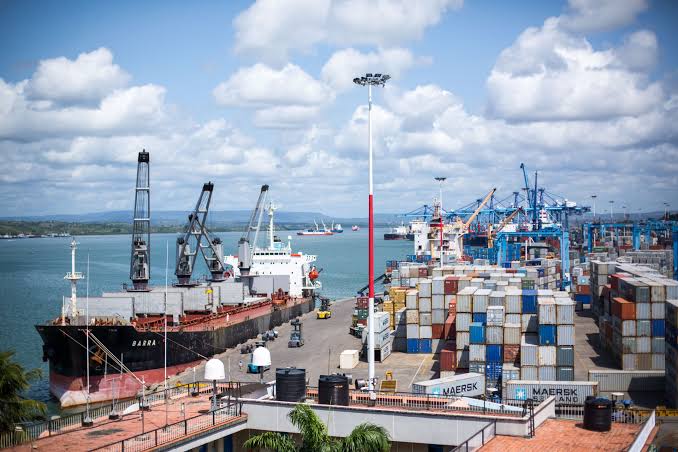
Importing goods through the Port of Mombasa remains expensive for Kenyan businesses, with logistics costs estimated at between 35 and 42 per cent of the total landed cost of goods, according to the Shippers Council of Eastern Africa.
The estimate, cited in the World Bank’s November 2026 Kenya Economic Update, highlights the burden facing companies that depend on imported raw materials, machinery and finished products to serve the Kenyan market.
The report identifies several factors driving these costs, including multiple inspections by government agencies, recurring system downtime, rising fees and demands for bribes.
The number of agencies involved in cargo inspections has continued to expand, increasing the charges businesses face and exposing shipments to further delays when different systems experience disruptions.
For importers, the costs do not end when goods arrive at the port. Delays can tie up working capital, increase storage and handling expenses, disrupt delivery schedules and make it harder for businesses to plan their operations.
Companies importing raw materials and production equipment may also face higher manufacturing costs when shipments take longer or become more expensive to clear. Businesses dealing in finished goods can face similar pressure on their margins.
These expenses can eventually feed into the prices paid by consumers, particularly where businesses pass part of the additional costs on to buyers. Imported products and locally manufactured goods that rely on foreign inputs may therefore become more expensive to bring to market.
The World Bank also points to inconsistent application of cargo classification and valuation decisions, as well as unnecessary transit inspections, as concerns affecting trade facilitation.
The report notes that the cost of logistics at the port remains alarmingly high, according to the Shippers Council of Eastern Africa’s 2025 assessment.
The challenge comes as Kenya seeks to strengthen Mombasa’s position as a regional trade and logistics hub. High clearance costs and unpredictable delays can make the port less attractive to businesses moving goods through East Africa.
Reducing the burden will require better coordination among inspection agencies, more reliable digital systems, predictable charges and stronger action against bribery. Improving cargo clearance is not simply a port management issue; it is also a way of lowering the cost of doing business across the economy.
For Kenyan importers and consumers, more efficient port operations could mean lower operating expenses, fewer supply disruptions and less pressure on the final prices of goods.