El Salvador's military has destroyed the alleged headquarters of one of Haiti's most notorious criminal organisations, 400 Mawozo, in a major air and ground operation on the outskirts of the capital, Port-au-Prince.
El Salvadorian President Nayib Bukele announced the operation on Tuesday, saying his forces had targeted a complex believed to be used by the gang and its leader, Wilson Joseph, popularly known as Lanmò San Jou.
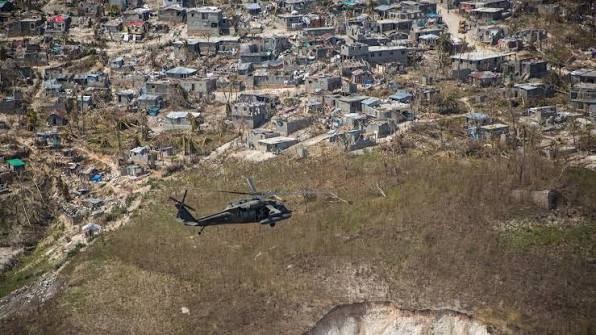
The operation involved military helicopters and ground forces, with footage shared by Bukele on X showing aircraft firing at a large compound as dozens of people fled the property.
In his announcement, Bukele said the operation had successfully destroyed the residence of the gang leader and the group's headquarters.
"We destroyed the house of Lanmò San Jou and the 400 Mawozo gang's headquarters," Bukele wrote.
The assault reportedly took place in Croix-des-Bouquets, a suburb of Port-au-Prince that has long served as a stronghold for the 400 Mawozo gang.
However, questions have emerged over the extent of the destruction and the number of casualties. Several media outlets have reported that up to 20 people may have been killed during the operation, although authorities have not officially confirmed the figures.
There are also conflicting accounts over whether the compound was completely destroyed or merely sustained significant damage.
According to reports by the Miami Herald, the gang's leader was not present at the property when the attack took place.
The newspaper also reported that Haiti's National Police drone task force participated in the operation, with support from Salvadoran soldiers.
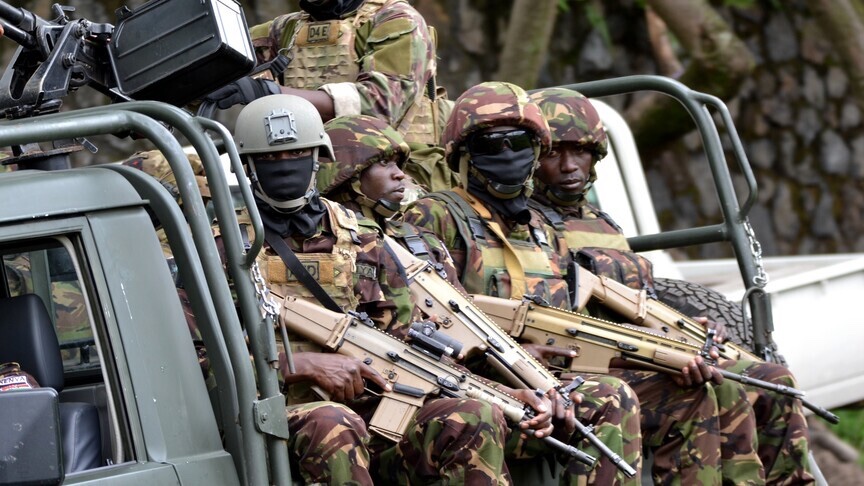
The attack marks El Salvador's first reported military strike against a target in Haiti since the deployment of more than 2,000 Salvadoran troops to the Caribbean nation last month.
The deployment followed the abduction of four Salvadoran Air Force technicians who were reportedly seized at gunpoint while shopping for food in October.
The technicians were working as part of the United Nations-backed Gang Suppression Force (GSF), an international mission established to help Haitian authorities combat organised criminal groups.
President Bukele has vowed to secure their release and bring them home safely, warning that the gangs responsible for their disappearance would face sustained military pressure.
Following Tuesday's operation, Haitian Prime Minister Alix Didier Fils-Aimé thanked El Salvador for its support in the fight against criminal gangs.
He said Haiti would continue working with El Salvador and the Gang Suppression Force to restore security, reclaim areas controlled by armed groups and re-establish government authority across the country.
However, El Salvador's military involvement has raised concerns among human rights organisations and critics, particularly over the command structure and legal authority governing its operations in Haiti.
Some observers have questioned whether all Salvadoran troops are operating under the established command of the multinational security mission.
Amnesty International has called on both governments to ensure that military operations conducted by Salvadoran forces comply with international human rights law.
Despite the criticism, Bukele has maintained his tough approach towards gang leaders, using public warnings and military action to increase pressure on criminal organisations.
The latest operation reportedly followed an exchange on X in which a user challenged the Salvadoran president to attack the gang's headquarters.
Bukele responded by asking for the exact location, promising that the military would destroy the property. The original post was subsequently removed from the platform, reportedly for violating its rules.
The 400 Mawozo gang is among Haiti's most powerful criminal organisations and has been linked to kidnappings, extortion, murders and illegal arms trafficking.
Its activities have contributed to a worsening security crisis in Haiti, where heavily armed gangs control significant parts of Port-au-Prince and other areas, leaving thousands of residents exposed to violence and displacement.
The international community continues to face pressure to help restore stability in the country as criminal groups expand their influence.