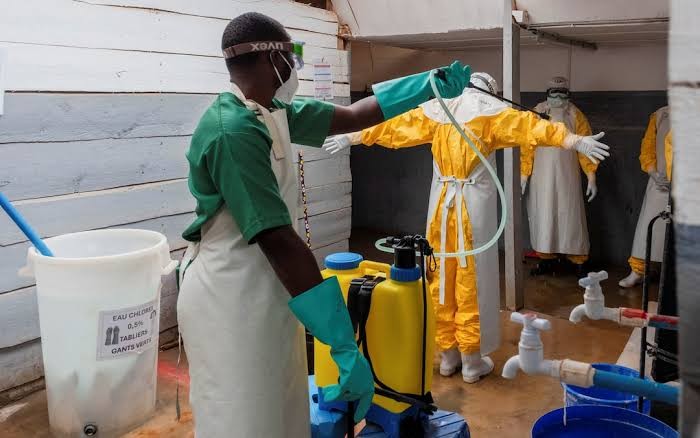
The Democratic Republic of the Congo (DRC) is grappling with a severe Ebola outbreak, as confirmed cases have now surpassed 8,000. The World Health Organization (WHO) has issued a warning about the continued expansion of the outbreak, which poses a significant threat to neighboring countries, including Kenya. The outbreak, which was officially declared in mid-May, has now spread to seven provinces within the central African nation.
According to the latest figures from the National Institute of Health in Kinshasa, the situation remains dire as the number of infections continues to climb. The Ebola virus responsible for this outbreak is identified as the Bundibugyo strain, which has previously caused significant health emergencies in the region. The WHO and other health organizations are calling for urgent humanitarian access to affected areas to curb the spread of the disease.
The African Centres for Disease Control and Prevention (Africa CDC) has raised alarms about the potential risk to Kenya and other neighboring countries due to the proximity and movement of people across borders. This has prompted health authorities in these regions to heighten surveillance and preparedness measures to prevent a cross-border epidemic.
In response to the escalating crisis, international health bodies are emphasizing the need for increased support and resources to manage and contain the outbreak. The focus is on providing medical supplies, personnel, and logistical support to the DRC to prevent further spread and mitigate the impact on affected communities.
As the situation develops, health officials are closely monitoring the outbreak's trajectory and are prepared to implement additional measures if necessary. The international community is urged to remain vigilant and contribute to the efforts aimed at controlling this public health emergency.