Co-operative Bank of Kenya has set aside Sh1.5 billion to finance the purchase of electric public service vehicles (PSVs) by matatu Saccos over the next 12 months. The loans cover up to 90 percent of the purchase cost and are priced one percentage point below the KESONIA benchmark rate. Vincent Marangu, the bank’s Director of Cooperatives Banking, announced it at the facility.
The facility, called the Co-op Bank E-mobility Financing, lends directly to matatu Saccos rather than to individual owners. Saccos pool resources and manage routes, so lending to the Sacco lets it acquire vehicles as fleets rather than depending on each operator to raise finance alone. Marangu said the model was structured around the operational needs of Saccos, which typically manage multiple vehicles across different routes.
The 90 percent loan-to-value ratio means borrowers contribute about a tenth of the vehicle price upfront. That lowers the entry barrier that has kept electric vehicles at pilot scale for most matatu operators. Under the same programme, the bank is also financing the installation of charging stations.
Details of the financing facility
Pricing is linked to the Kenya Shilling Overnight Interbank Average rate, or KESONIA, which is the Central Bank of Kenya’s benchmark for overnight interbank lending. Borrowers will pay one percentage point below that rate, a negotiated margin rather than a fixed rate. The actual cost to a Sacco will therefore move with the benchmark over the life of the loan.
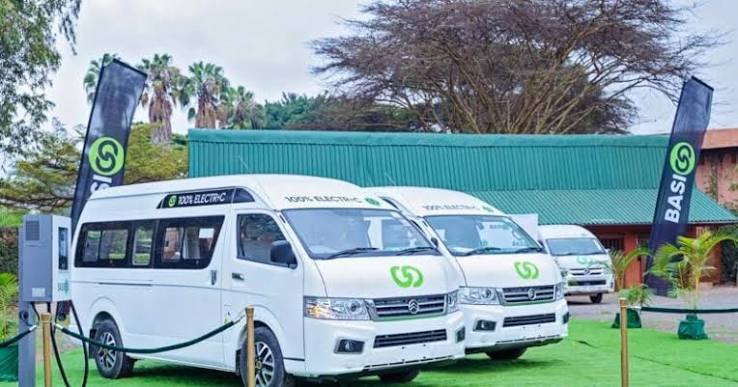
Marangu said the Saccos are already planning for electric vehicles, and that what they need is financing that works for a whole fleet. The bank has previously financed matatu fleets through its leasing arm, Co-op Bank Fleet Africa, and has worked with the electric bus maker BasiGo, which supplied two electric 16-seater PSVs to Enabled Mashariki Sacco under the e-mobility facility.
Impact on the matatu industry
The sector is large. The matatu industry generates more than KSh250 billion a year and serves about 70 percent of Kenyans, according to KNBS data cited by industry reports. Cleaner, lower-cost vehicles could cut operating costs for operators and reduce diesel emissions in Nairobi’s dense routes.
Competition for this business is intensifying. NCBA has also partnered with BasiGo to target 1,000 electric vehicles, offering up to 90 percent asset financing over 60 months to established PSV Saccos and companies. Co-op Bank’s facility will be tested by how quickly Saccos take up the Sh1.5 billion and how many vehicles it finances in the first year.
Future outlook for electric PSVs
The next signals will be the first loan approvals, the number of Saccos that sign up, and the availability of charging infrastructure along the routes. The 12-month window will show whether the facility moves electric vehicles beyond pilot projects.