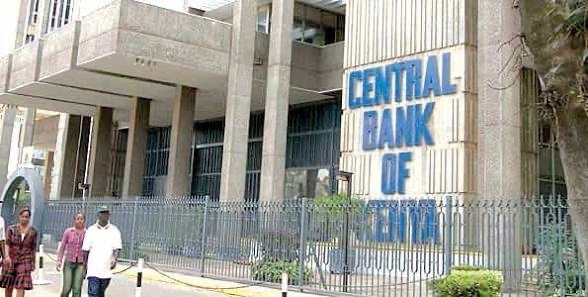
The Central Bank of Kenya (CBK) has accepted KSh52.32 billion from its latest 91-day, 182-day and 364-day Treasury bills auctions, significantly exceeding its combined offer of KSh28 billion, according to auction results dated October 19, 2026.
The results show that the bank accepted KSh34.24 billion from the 91-day Treasury bill, against an offer of KSh8 billion. The 182-day bill attracted accepted bids worth KSh11.48 billion against an offer of KSh10 billion, while the 364-day bill recorded KSh6.59 billion against an offer of KSh10 billion.
Overall, the accepted amount exceeded the combined target by KSh24.32 billion, with the 91-day paper accounting for the largest share of the funds raised.
The weighted average interest rate for the 91-day Treasury bill stood at 8.75 per cent, while the 182-day bill recorded 8.86 per cent. The 364-day bill had the highest weighted average interest rate at 9.0383 per cent.
The results indicate differences in investor demand across the three maturities, with the accepted amount for the 91-day bill substantially exceeding the amount initially offered. In contrast, the accepted amount for the 364-day bill fell below its KSh10 billion target.
Treasury bills are short-term government securities issued through the CBK to raise funds for the government. They are commonly used by investors seeking returns over defined periods, with maturities of 91, 182 and 364 days.
The interest rates established through the auctions provide an indication of the returns investors accepted for lending funds to the government over the respective periods.
Investors typically consider the offered return, investment duration and prevailing market conditions when deciding which securities to purchase.
The CBK has scheduled the next Treasury bills auctions for October 26, 2026, covering issues 2705/091, 2679/182 and 2634/364. Further results will show how investor demand and accepted interest rates compare with the latest auction.
The latest figures highlight the government’s continued use of domestic securities to mobilise funds, while offering investors opportunities to place money in short-term government debt.