Oil prices were little changed in early trading on Monday, November 23, 2026, with Brent crude at $92.67 a barrel and US West Texas Intermediate at $83.57. Investors continued to price in a geopolitical risk premium as attacks on shipping and refinery facilities in the Middle East continued, despite diplomatic efforts to end the war. Brent had dipped to $91.57 earlier in the session.
The price moves were modest. Brent rose 10 cents, or 0.11 percent, to $92.67 by 4.23am GMT, while WTI gained 16 cents, or 0.19 percent. Earlier in the session Brent fell by $1 to $91.57, and WTI touched a low of $82.63. Last week, Brent had declined by 4 percent and WTI by 5 percent.
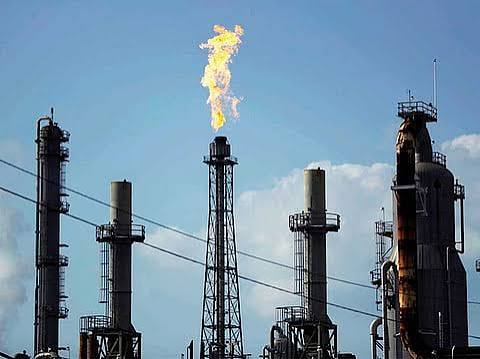
The risk premium reflects the continuing attacks. On Sunday, the Iran-aligned Houthi movement said it had attacked a Saudi Arabian oil refinery, and the UK Maritime Trade Operations reported multiple attacks on shipping in the Gulf and near the Strait of Hormuz over the weekend. Those incidents keep traders wary of supply disruption even as flows through the region recover.
Diplomacy has not removed the pressure. Efforts to end the war have continued, but the attacks on tankers and refineries have kept the prospect of supply losses in view, and analysts say the premium will ease only if shipping resumes without disruption.
The market has been volatile. Brent has been above $90 for much of the period since the Iran war began in February, and at one point this year climbed above $110. Prices have since retreated as supplies from the Gulf recovered, which means the current level reflects a balance between recovering flows and continuing security risks.
Other factors are at work too. Analysts have pointed to weak sentiment in equity markets, including a fall in technology stocks, which has weighed on risk assets, including oil futures. That mix of geopolitical and financial pressures makes short-term price moves harder to read.
For Kenya, the direction of oil prices matters for pump prices and the import bill. Energy regulators in Nairobi set fuel prices every month, and the government has been using levy funds to cushion increases, so sustained crude prices above $90 keep pressure on the stabilisation budget.
The next signals will be the OPEC+ meeting on November 29, which will decide 2027 output policy, Gulf shipping data, and any change in attacks on tankers or refineries. Traders and consumers will watch whether the risk premium fades or widens over the coming week.