Tanzania is investing $56.2 million in equipment to rehabilitate the 188-kilometre Tanga–Ruvu metre-gauge railway line as the government announces a major natural gas discovery in the southern Mtwara Region. The two developments are expected to strengthen freight transport, improve energy security and support industrial growth.
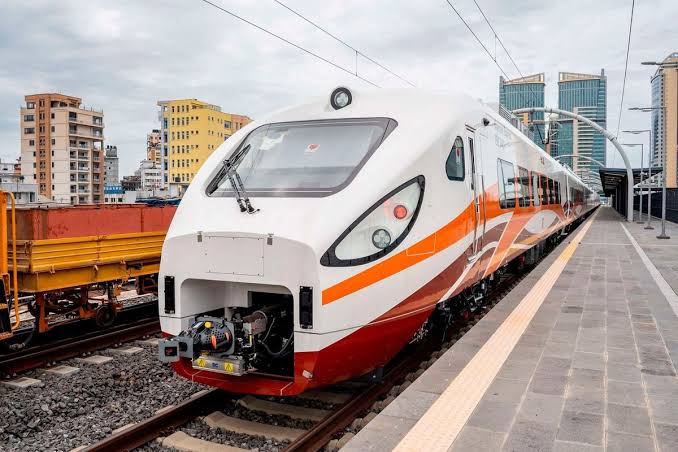
Deputy Transport Minister David Kihenzile told Parliament in Dodoma on October 27, 2026, that the railway equipment was purchased during the 2025/2026 financial year. The investment will support rehabilitation of the railway section between Tanga and Ruvu Junction, improving transport links to the Port of Tanga.
The government plans to use the upgraded railway to increase cargo movement through the port and improve passenger transport. Further plans include extending the line towards the Kilimanjaro and Arusha regions, potentially strengthening connections between northern Tanzania’s commercial centres and its coastal transport infrastructure.
Kihenzile said the railway could also help transport visitors arriving through Kilimanjaro International Airport to Arusha during the Africa Cup of Nations period. The project forms part of wider efforts to improve the performance of Tanzania’s existing metre-gauge railway network alongside investments in newer standard-gauge railway infrastructure.
The transport investment comes as Tanzania confirms a new natural gas discovery in the Mnazi Bay Block in Mtwara. Energy Minister Juma Zuberi Homera announced on October 27 that the Kasa-1X ST2 exploration well had identified an estimated 223 billion cubic feet of natural gas, marking the country’s first reported new discovery in more than a decade.
The well was drilled by the Tanzania Petroleum Development Corporation (TPDC) in partnership with French energy company Maurel & Prom. The government says the discovery could support domestic energy supplies, electricity generation and industrial activity as demand rises.
The operator has separately estimated the gas associated with the discovery at approximately 200 billion cubic feet gross, or 120 billion cubic feet attributable to its 60 per cent interest. The government’s 223 billion cubic feet figure should therefore be treated as an announced estimate rather than a confirmed volume of commercially recoverable reserves.
Homera said the Kasa well could produce about 30 million cubic feet of gas daily for at least 10 years. Maurel & Prom has indicated a potential gross production rate of up to 50 million cubic feet daily, with production targeted as early as November 2026, subject to project development.
More than 80 per cent of gas produced in Mnazi Bay is used to generate electricity at Tanzania Electric Supply Company power plants in Mtwara and Dar es Salaam. The additional resource could also create opportunities for industries that rely on natural gas, including fertiliser and petrochemical production.
The railway rehabilitation and gas discovery highlight Tanzania’s parallel efforts to improve transport infrastructure and expand domestic energy production. Their longer-term economic impact will depend on the completion of railway works, the development of the gas find and the ability to convert both investments into reliable services and sustained commercial activity.