Stronger anti-corruption reforms could increase Kenya’s gross domestic product by 22.3 per cent by 2035 compared with a scenario without reforms, offering a significant economic incentive to address governance weaknesses, according to the World Bank.
In its November 2026 Kenya Economic Update, the lender said even moderate anti-corruption measures could raise GDP by 8.7 per cent relative to the no-reform scenario by 2035. The estimates point to substantial potential gains from improving transparency, accountability and the way public institutions interact with businesses.
The World Bank said governance weaknesses affect economic performance through several channels, including higher business costs, weaker public revenue collection, inefficient public investment and uncertainty for domestic and foreign investors.
Corruption can also distort competition by giving preferential treatment to politically connected firms while disadvantaging businesses that rely on transparent processes. This can limit investment, productivity and the expansion of companies with the potential to create jobs.
The report said reform efforts should focus on areas where corruption imposes the greatest economic costs. These include public procurement, tax exemptions, public-private partnerships, beneficial ownership information and the energy sector.
Among the proposed measures is the full implementation of electronic government procurement, alongside greater transparency in the ownership of companies receiving public contracts. The lender also called for stronger follow-up on audit findings and clearer accountability across public institutions.
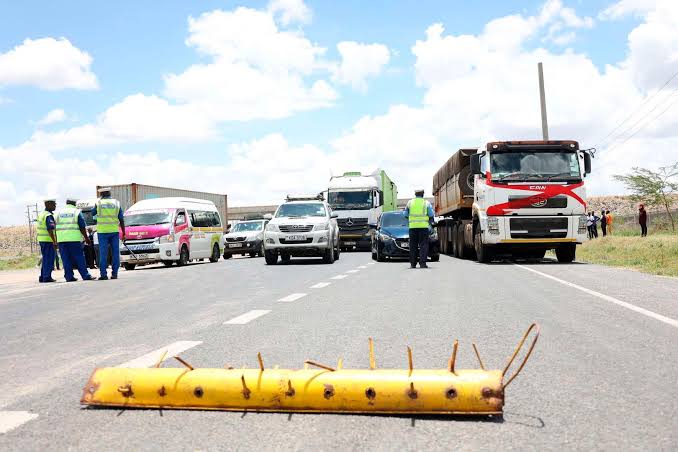
Other priorities include simplifying regulations and administrative procedures, reducing unnecessary roadblocks in inland transport and improving complaints mechanisms for businesses facing improper demands during tax audits or inspections.
The report also highlighted the importance of implementing Kenya’s existing legal and policy reforms, including the 2025 Conflict of Interest Act. It said sustained political leadership and effective enforcement would be necessary to turn the reforms into measurable improvements.
The potential economic gains extend beyond higher output. The World Bank said moderate reforms could contribute significantly to bringing public debt under control, while stronger measures could deliver larger economic benefits.
The estimates are based on modelled reform scenarios and should not be interpreted as guaranteed growth outcomes. Their achievement would depend on the scale, consistency and effectiveness of implementation.
The World Bank’s assessment places governance reform at the centre of Kenya’s efforts to attract investment, improve productivity, strengthen public finances and create more opportunities for workers.