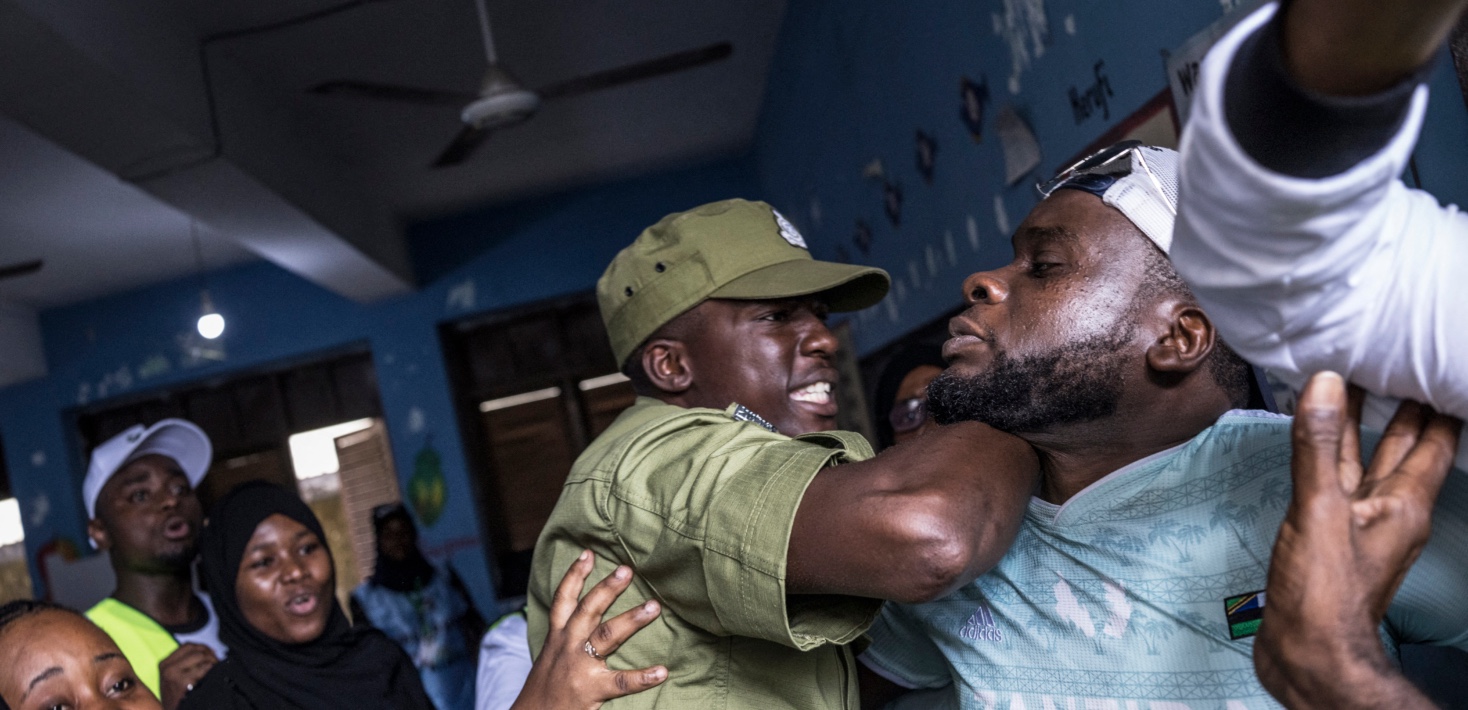
Amnesty International has accused Tanzanian authorities of using counterterrorism laws to suppress government critics, opposition supporters and journalists, a year after the deadly crackdown on protests following the country’s October 2025 general election.
In a statement released on Wednesday, October 28, 2026, the human rights organisation said hundreds of people were killed and thousands injured during the security forces’ response to the protests, but no official had been criminally investigated or prosecuted over the alleged excessive use of force.
The organisation also criticised President Samia Suluhu Hassan’s government for withholding a Commission of Inquiry report into the election-related killings, warning that the continued secrecy was undermining accountability.
“Not a single official has been criminally investigated, let alone prosecuted and punished for the excessive force that Tanzanian security forces used against protesters,” said Tigere Chagutah, Amnesty International’s Regional Director for East and Southern Africa.
Amnesty said its investigations had documented arbitrary arrests, enforced disappearances, abductions and acts of torture or other ill-treatment targeting government critics, opposition members and other people perceived to be dissenting.
The Commission of Inquiry report was handed to President Suluhu in April 2026 but has not been made public. The commission’s findings reportedly established that at least 518 people died from unnatural causes during the election-related violence.
In August, Suluhu inaugurated another Commission of Inquiry tasked with identifying those who planned, financed, coordinated or carried out the violence. The new commission was also mandated to investigate the use of excessive force and establish the whereabouts of missing persons.
Amnesty called for the new investigation to be independent, impartial and transparent, with its findings published immediately upon completion.
The organisation said it interviewed 17 people between September 3 and 17, including victims of alleged abuses, journalists, opposition officials, lawyers and relatives of people affected by the crackdown. It also examined charge sheets involving people arrested and charged with terrorism-related offences.
On July 9, police spokesperson David Misime announced that 130 people had been arrested over allegations of organising meetings and circulating messages encouraging criminal acts intended to destabilise the country. At least 64 were charged under the Prevention of Terrorism Act, according to Amnesty.
The organisation cited cases involving opposition CHADEMA members and university students who were allegedly subjected to beatings, denied access to lawyers or pressured to record confessions.
Authorities have denied involvement in some reported disappearances, while police said they had opened an investigation into the alleged abduction of opposition leader Tundu Lissu’s personal assistant, David Djumbe.
Amnesty also raised concerns about restrictions on media freedom and peaceful assembly, including the six-month suspension of Mwanahalisi newspaper’s publishing and distribution licence in August and the earlier suspension of Jambo Online TV.
The organisation urged the government to drop terrorism charges against people unjustly detained, restore access to restricted social media platforms and allow journalists to work without fear of reprisals.