More than 5,000 people who reportedly fled the Ebola outbreak in the Democratic Republic of the Congo (DRC) have crossed into South Sudan, prompting an urgent call for humanitarian assistance and stronger disease surveillance along the border.
The United Nations Office for the Coordination of Humanitarian Affairs (OCHA) said the arrivals entered Ibba County in Western Equatoria State between July and mid-October, according to the International Organization for Migration (IOM).
Nearly 380 of the arrivals are Congolese nationals, while the rest are South Sudanese returning after seeking refuge in the neighbouring country.
During a visit to Nabanga Payam in Ibba County last week, OCHA and its humanitarian partners found that most of the recent arrivals urgently needed essential supplies, including medicine, nutritional support and food.
The assessment also identified shortages of kitchen utensils, sleeping mats, blankets and dignity kits for women and adolescent girls, highlighting the immediate humanitarian needs facing the displaced population and returnees.
Beyond the need for basic assistance, humanitarian agencies warned that the movement of people across the border could increase the risk of Ebola spreading into South Sudan as transmission continues in the DRC.
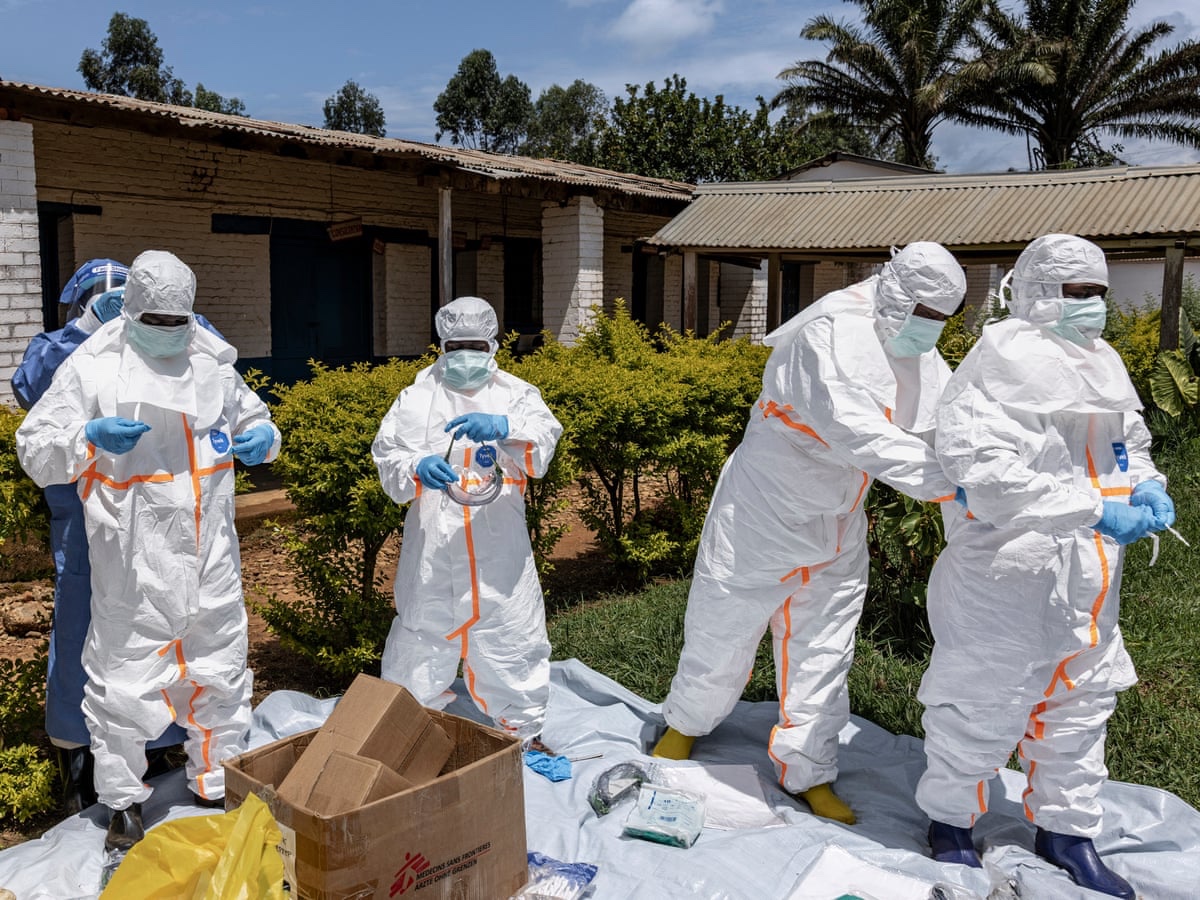
OCHA and its partners stressed the need to make the Ebola isolation centre operational to strengthen health screening and disease surveillance at the Nabanga Point of Entry, which connects South Sudan to the DRC.
The facility is considered an important part of efforts to identify and respond to suspected cases among people crossing the border.
South Sudanese health authorities have also stepped up preparedness measures as the outbreak continues to pose a regional public health concern.
The Ministry of Health, the National Public Health Institute and their partners recently conducted a simulation exercise in the capital, Juba, as well as in Yei and Yambio counties.
The exercise tested the country’s capacity to prevent, detect and respond to suspected Ebola cases, including its readiness to coordinate a response should the disease spread across the border.
The latest developments underscore the need for coordinated humanitarian and public health interventions to support vulnerable arrivals while strengthening measures to detect and contain potential infections.
However, the reported arrivals do not in themselves indicate that Ebola cases have been confirmed among the people who crossed into South Sudan.