Drone strikes targeting electricity infrastructure in Sudan have disrupted power and water supplies across several states, raising concerns over the impact of continued fighting on essential services for millions of civilians.
The United Nations Office for the Coordination of Humanitarian Affairs (OCHA) said it was alarmed by the continued attacks on critical civilian infrastructure, warning that damage to electricity facilities was worsening the humanitarian situation.
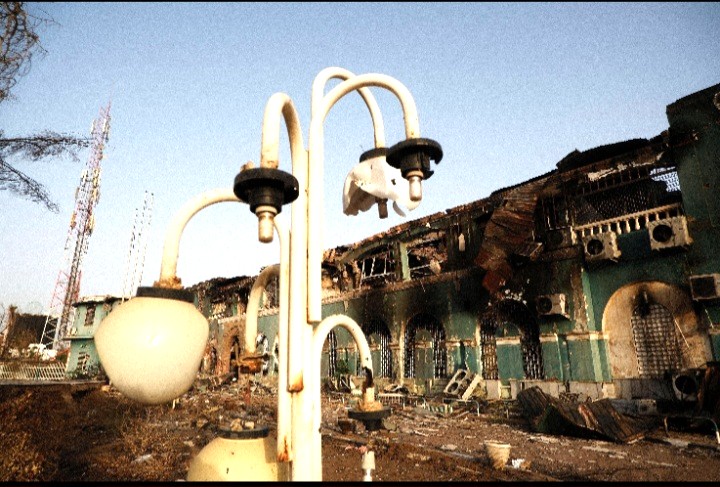
In the latest incident, a drone strike reportedly hit a major electricity transformer station serving Khartoum State on Wednesday.
The attack followed several drone strikes on Tuesday targeting power stations in Jazirah, Sennar and Gedaref states, resulting in widespread power outages and interruptions to water supplies.
Local authorities have reported extensive damage to several electricity facilities, warning that the attacks could threaten the stability of Sudan's national power grid.
OCHA called for the protection of civilians and essential infrastructure, including electricity and water facilities, in accordance with international humanitarian law.
Meanwhile, continued insecurity is forcing more Sudanese families to flee their homes as fighting spreads across parts of the country.
The International Organization for Migration (IOM) estimates that nearly 900 people fled villages in Um Baru locality in North Darfur State and crossed into neighbouring Chad on Saturday following a deterioration in security.
The latest displacement adds to the growing humanitarian needs in Sudan, where continued hostilities have left millions of people requiring assistance.
Despite the insecurity and limited funding, the United Nations and its humanitarian partners say they remain committed to delivering emergency support to affected communities.
In a separate development, Sudan's Ministry of Health, working with the World Health Organization (WHO), UNICEF and other partners, launched a nationwide polio vaccination campaign on Tuesday targeting 11 million children.
The campaign aims to protect children against the disease amid the challenges posed by the ongoing conflict.
However, humanitarian agencies warn that funding shortages are undermining their ability to respond to the growing crisis.
The World Food Programme (WFP) has cautioned that approximately 900,000 people will lose access to food assistance starting next month if additional funding is not secured.
OCHA has appealed for urgent financial support to sustain life-saving operations, warning that conflict, mass displacement and drought-like conditions associated with El Niño are compounding the suffering of millions across Sudan.
Humanitarian agencies continue to call for greater protection of civilians and sustained assistance as the country grapples with worsening insecurity and shortages of basic necessities.