Shares of Airtel Money, the mobile money arm of Airtel Africa, fell below their 196 pence offer price on Friday, October 9, 2026, during their first day of trading on the London Stock Exchange, in a muted start after an initial public offering (IPO) that was several times oversubscribed and valued the business at about $7 billion. The shares rose as high as 200 pence before slipping to about 193 pence.
Reports differ on where the shares ended the day. Bloomberg said they closed 6% below the IPO price, while other reports put the fall at about 1.5%. The company trades in London under the ticker AMC and unconditional admission of the shares is expected on October 14.
The valuation was below the $8 billion to $9 billion initially sought. The offer sold 270 million existing shares, about 10% of the company, raising roughly £529 million ($703 million) for the selling shareholders. An over-allotment option could lift this to £582 million; because the shares were existing already rather than new, the proceeds did not go to Airtel Money itself. TPG and Mastercard, which invested in 2021 at a $2.65 billion valuation, held options requiring Airtel Africa to buy back their shares if no listing took place.
Airtel Africa owned nearly 78% of Airtel Money before the IPO and says it will remain a long-term shareholder. Airtel Money provides transfers, bill payments and digital banking on mobile phones in 13 countries, including Kenya, Malawi and Tanzania. Dealogic ranks the offer as London's largest listing since Fermi's dual listing in September 2025.
Airtel founder Sunil Bharti Mittal called the listing a vote of confidence in the UK as a place to invest, and noted that Airtel Africa's own shares have gained 262% since their 2019 debut.
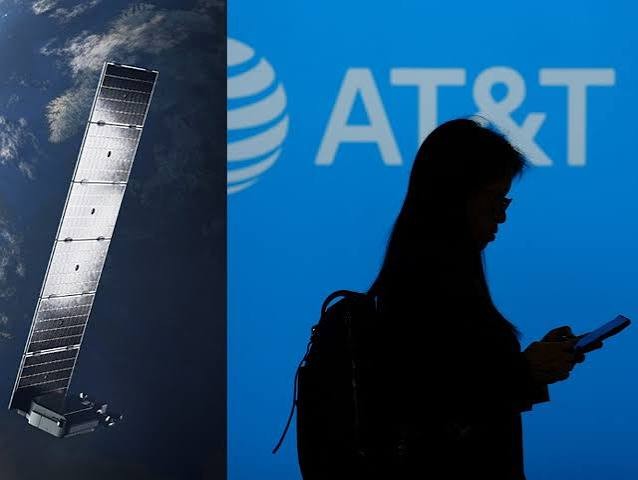
The debut coincided with a broader sell-off in telecoms stocks, in which Airtel Africa fell about 6% in London after SpaceX's spectrum purchase in the United States raised competition worries. The available information does not show that the SpaceX news caused the drop in Airtel Money's price.
The first-day performance carries a lesson for African listings. Strong demand before pricing does not guarantee a premium once trading starts, and the size of the offer is no protection against early losses. For Kenyan users and investors, the question is how the business performs as a listed company in a market with several rival providers.