
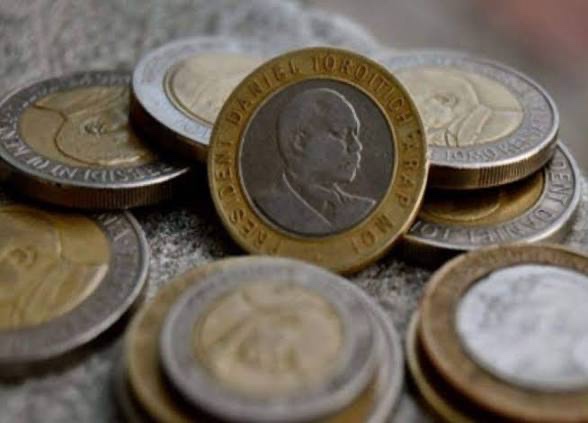
The Kenyan shilling held steady at Sh129.91 to the US dollar on Friday, October 9, 2026, according to the Central Bank of Kenya's (CBK) daily exchange rates, two days after the CBK's Monetary Policy Committee (MPC) kept the Central Bank Rate at 8.75% to keep inflation expectations anchored and the exchange rate stable.
The shilling traded at Sh172.04 to the British pound and Sh145.92 to the euro, while 100 Japanese yen were worth Sh82.18 and one South African rand Sh7.86. Against regional currencies, one Kenyan shilling bought 31.47 Ugandan shillings, 20.35 Tanzanian shillings and 11.33 Rwandan francs. The dollar rate is only slightly weaker than the Sh129.76 recorded a week earlier, on October 2.
The stability follows the MPC's October 7 decision, which left the benchmark rate unchanged since the last cut in February. The committee said the CBK's foreign exchange reserves stand at $14.702 billion, equivalent to 5.9 months of import cover, which it described as adequate and a buffer against external shocks. Inflation rose to 6.8% in September from 6.6% in August, but it remains inside the CBK's 2.5% to 7.5% target range. Food prices have risen after an extended dry period that hurt crop and livestock production, including milk output.
The CBK also raised its 2026 growth forecast to 5.0% from 4.9%, and noted that private sector credit growth has picked up to 10.6%. Average commercial lending rates stood at 14.4%.
The risks remain. The MPC said it will keep watching global oil prices and any second-round effects on inflation, and it stands ready to act if needed. It will meet again in December. The Energy and Petroleum Regulatory Authority's next pump price review, due by October 14, will show how global oil prices are feeding through to local fuel costs. Diaspora remittances, a key source of dollars for Kenya, slipped 1.3% in the 12 months to August, according to CBK data reported by Rio Times, which also noted a sharper fall in flows from the United States.
For households and businesses, a steady shilling helps keep the cost of imported fuel, machinery and consumer goods predictable. Importers paying in dollars, pounds or euros face little change from last week, while travellers and students abroad can plan with fewer surprises. Banks and forex bureaus quote their own buying and selling rates, which differ from the CBK's published rates.