Kenya's National Treasury said on Friday, October 9, 2026, that the budget deficit is expected to widen to 5.9% of gross domestic product in the 2027/28 financial year from 5.5% in 2026/27, with the government planning to lean more heavily on foreign borrowing as it prepares a budget that will be presented earlier than usual because of the general election in August 2027.
The Treasury expects net external financing to rise by Sh176.6 billion to Sh423.8 billion in 2027/28, from Sh247.2 billion in 2026/27. Net domestic financing is forecast to fall to Sh929.1 billion from Sh1.04 trillion in the current financial year. The shift means the government aims to rely less on local lenders and more on foreign markets and partners, which could reduce competition for funds with private borrowers but exposes the budget to exchange rate and global interest rate risks.
The projection reverses part of the progress made on fiscal consolidation. The deficit narrowed from 8.3% of GDP in 2020 to 5.9% in 2025, but rose to 6.7% in 2025/26, and the Treasury expects it to fall to 5.5% in 2026/27 before rising again. The World Bank classifies Kenya as being at high risk of debt distress.
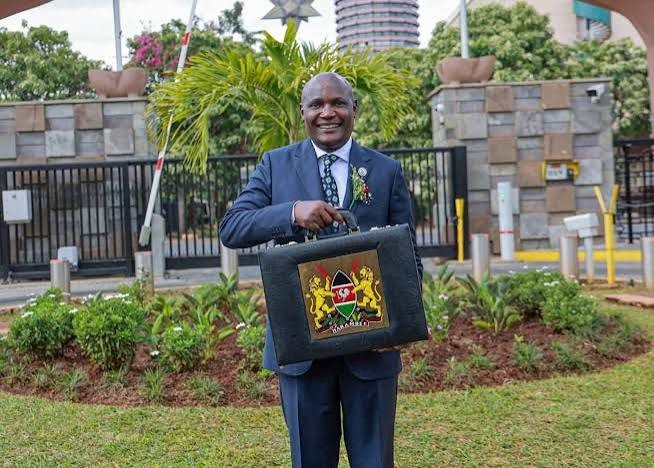
The finance minister normally presents the budget to Parliament in June, but next year's will come earlier because of the August election. The timing means the debate will take place in an election season.
Businesses face fresh questions over credit. Whether companies face higher loan costs will depend partly on how the government finances the deficit, liquidity in the banking system and the Central Bank of Kenya's monetary policy. Private sector credit growth picked up to 10.6% in September and average lending rates stood at about 14.4%, so any return of heavy domestic borrowing could crowd out lending to firms.
The projection comes as banks hold Sh2.53 trillion in government securities, which rating agencies say ties their health closely to the state's finances. It also arrives as Cabinet has just approved $350 million in financing for Kenya Airways and Sh23.74 billion for pending bills, adding to near-term spending commitments.
For households, a wider deficit can mean more borrowing and higher debt service costs, which compete with spending on services.