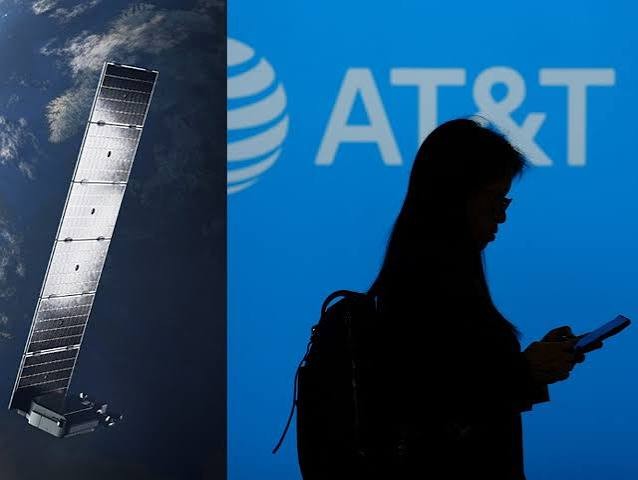
AT&T chief executive John Stankey has publicly challenged Elon Musk's SpaceX over its plan to become a mobile carrier through Starlink Mobile, saying the strategy is not viable on cost and technology, as shares of AT&T, Verizon and T-Mobile fell, after SpaceX agreed to buy a nationwide 800 MHz spectrum portfolio from Grain Management.
John mentioned that the economics and technical aspects of SpaceX's plan do not add up. He said satellite will not beat fibre, even if everything goes right over the next 10 years, adding that fibre is about three times faster. He also questioned SpaceX's idea of installing cellular base stations alongside Starlink dishes at homes and businesses, saying it would cost as much as building a conventional macro network. By law, he added, companies cannot radiate cellular signals from someone's home without permission. At a Goldman Sachs event, he said direct-to-cell satellite is solving the last 2%, meaning remote areas, rather than the 98% that carriers serve.
SpaceX sees it differently. The Grain Management deal follows its purchase of wireless licenses from EchoStar, valued at roughly $17 billion, plus a follow-on deal worth $2.6 billion. SpaceX says the low-band 800 MHz spectrum fills a key technical gap, since it travels farther and penetrates buildings better than the higher frequencies Starlink uses and that most existing phones already support the band. President Gwynne Shotwell has said the company intends to build terrestrial infrastructure and Starlink Mobile has partnerships with SoftBank, NTT Docomo and Spark NZ.
The scale gives rivals reason for concern. SpaceX's second-quarter report showed Starlink in 205 countries and 12 million subscribers at the end of June. The company has not said when Starlink Mobile service backed by the new spectrum might reach customers and the deal still needs regulatory approval. T-Mobile's chief executive has also questioned what would set SpaceX's offering apart.
Analysts say Stankey's argument is about the specific plan rather than satellites in general, and that cost and regulatory hurdles are real. But they note the risk: AT&T is betting that fiber will be ready when competition arrives and the timing depends on how fast SpaceX moves and how regulators respond.
The selloff spread beyond the United States. Airtel Africa shares fell about 6% in London on Friday in a broad slide in telecoms stocks that followed the SpaceX announcement, although reports do not establish that this caused every move.