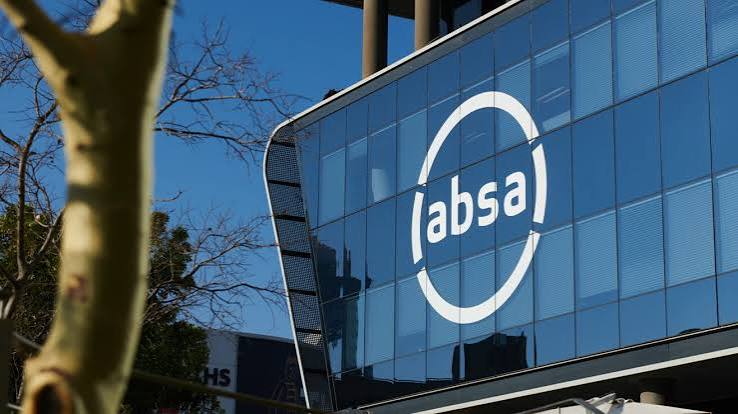
Absa Bank Kenya has reduced carbon emissions at its Waiyaki Way headquarters by 48.6%, demonstrating how investments in energy efficiency can lower the environmental footprint and operating requirements of commercial buildings.
The achievement has earned the bank's head office national championship status in the World Championship for Energy Savings, placing it among the global top 10 buildings in the renovated building category.
The reductions have been achieved through improvements including energy-efficient lighting, automated building controls, external lighting sensors, water-saving fixtures and solar-shading film installed on windows.
The bank's sustainability programme also includes a 110-kilowatt-peak solar photovoltaic plant commissioned in September 2026. Based on pilot performance, the installation is projected to supply up to 41% of the head office's electricity demand.
Absa Head of Sustainability and Corporate Affairs Charles Wokabi said the recognition demonstrates the impact of integrating sustainability commitments into everyday business operations.
The bank's achievement comes as companies face growing pressure to reduce energy consumption, manage operating costs and demonstrate measurable progress towards environmental targets.
Energy efficiency is increasingly important for commercial buildings because electricity is required for lighting, cooling, ventilation, computers, security systems and other operations.
Reducing consumption can help companies lower electricity expenses while reducing exposure to changes in energy prices and the environmental impact associated with power generation.
The World Championship for Energy Savings assesses buildings using actual energy consumption and performance data against established baselines, rather than relying only on sustainability commitments or building design.
Its published assessment for Absa's headquarters records annual energy savings of 407,565 kilowatt-hours and avoided emissions of approximately 111.67 tonnes of carbon dioxide equivalent.
Absa has also set broader sustainability targets for 2026–2030, including a 50% reduction in operational emissions and resource-efficiency improvements of between 25% and 30%. The bank's longer-term ambition is to reach net-zero carbon emissions by 2050.
The investment highlights the potential for existing commercial buildings to achieve environmental improvements through retrofitting rather than relying exclusively on new construction.
For businesses operating large offices, hotels, shopping centres and industrial facilities, the experience offers an example of how energy-management investments can support both environmental objectives and operational efficiency.