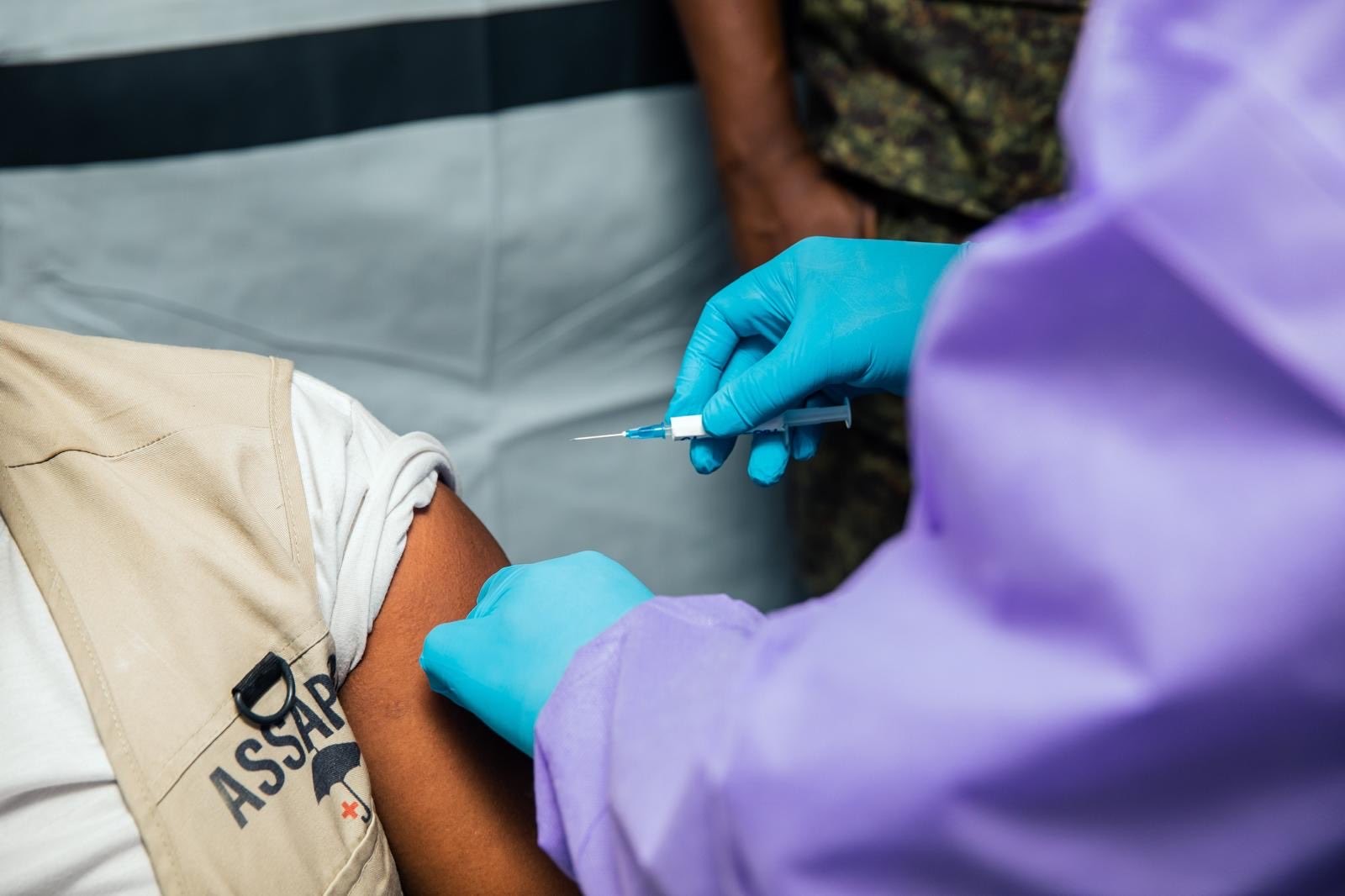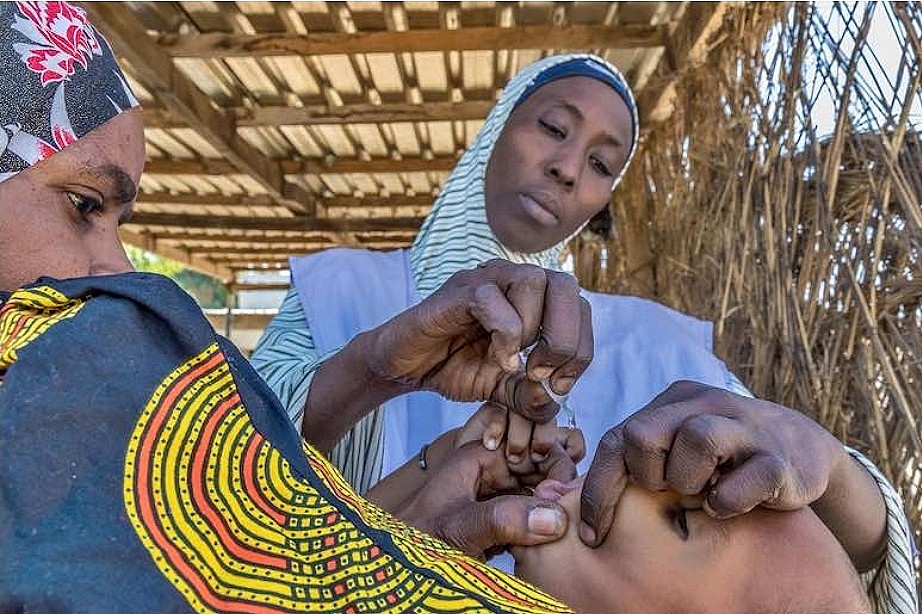
More than 168 million children across Africa were vaccinated against polio between January and September 2026, as health authorities intensify efforts to eliminate the crippling disease amid continued detection of poliovirus in several countries.
The World Health Organization (WHO) says detections of poliovirus across the African Region have declined by 33 per cent since 2024, signalling progress in the continent's eradication campaign.
However, the detection of 230 poliovirus cases in the first nine months of 2026, alongside rising detections of poliovirus types 1 and 3, underscores the continuing threat to children, particularly in communities with low immunisation coverage.
According to the WHO, 22 countries conducted 55 polio vaccination campaigns during the period, with particular attention given to the Lake Chad Basin, where insecurity, population displacement and difficulties accessing remote communities continue to complicate immunisation efforts.
The campaigns are part of wider efforts to reach children who have missed routine vaccinations and prevent the virus from spreading across borders.
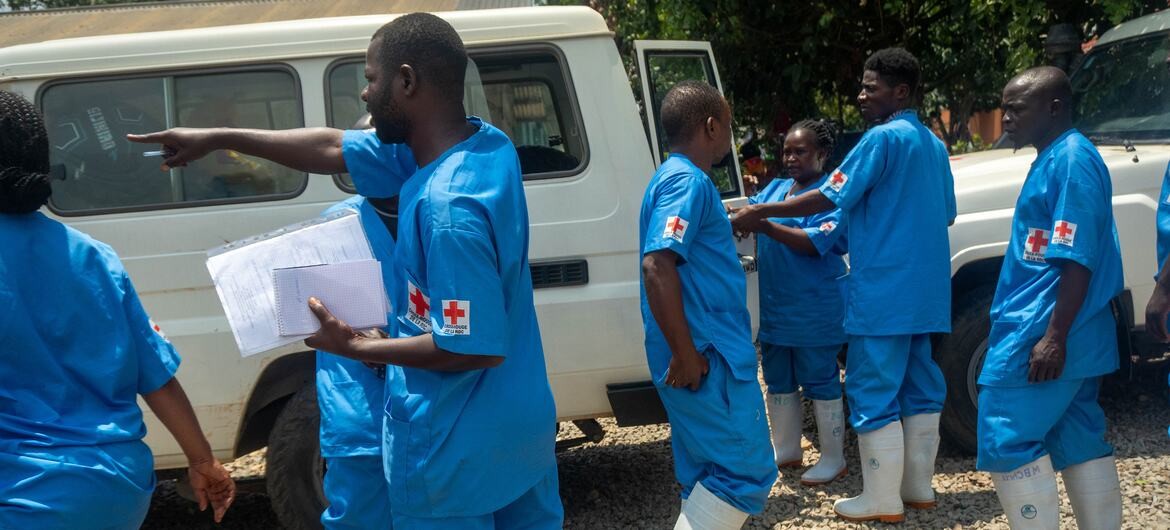
Marking World Polio Day, the WHO reaffirmed its commitment to a polio-free Africa, urging governments, health workers and communities to sustain vaccination efforts and strengthen disease surveillance.
“Stronger surveillance, faster response and sustained commitment are essential to protecting every child,” the organisation said.
Polio is a highly infectious disease that primarily affects children under five years of age. It can invade the nervous system and cause irreversible paralysis, with severe cases potentially resulting in death when respiratory muscles are affected.
There is no cure for polio, but safe and effective vaccines can provide lifelong protection when administered according to recommended schedules.
The global eradication campaign began in 1988 under the Global Polio Eradication Initiative, a partnership that includes the WHO and other international health organisations. At the time, an estimated 350,000 children worldwide were paralysed by the disease annually.
Africa has made significant progress since then, with the WHO African Region certified free of indigenous wild poliovirus in August 2020. The milestone followed years of mass vaccination campaigns, improved surveillance and cooperation among governments, traditional leaders, religious institutions and communities.
Nigeria, previously the last country in Africa with endemic wild poliovirus transmission, played a crucial role in achieving the regional milestone.
However, the certification did not mean that all forms of poliovirus had been eliminated from the continent. Vaccine-derived polioviruses continue to circulate in some areas, particularly where immunisation coverage is insufficient to prevent transmission.
These viruses can emerge in communities with low vaccination rates when weakened virus contained in the oral polio vaccine circulates for extended periods and undergoes genetic changes.
The WHO says continued vaccination, rapid outbreak response and improved surveillance are essential to stopping transmission.
Health authorities are therefore calling on parents and caregivers to ensure children receive all recommended polio vaccine doses, while urging governments to prioritise underserved communities and maintain funding for eradication programmes.
The organisation maintains that every child must be immunised until all forms of poliovirus transmission are stopped and the world is free of the disease.