The United Nations World Food Programme (WFP) is seeking USD 214 million to sustain food assistance, logistics and Ebola treatment infrastructure in eastern Democratic Republic of the Congo (DRC), warning that funding shortages could disrupt relief operations as the outbreak spreads to an eighth province.
The latest expansion was confirmed in North Ubangi, where health authorities reported two cases, including one death, according to Reuters on October 18. The development adds to pressure on a response already facing insecurity, poor roads, displacement and severe food shortages across affected communities.
WFP says nearly 3.5 million people in Ebola-affected areas face crisis-level hunger or worse, while 97 per cent of people directly affected by the outbreak still require food assistance.
The agency warns that families struggling to obtain food may find it difficult to comply with treatment and isolation guidance if they must leave home to meet basic needs.
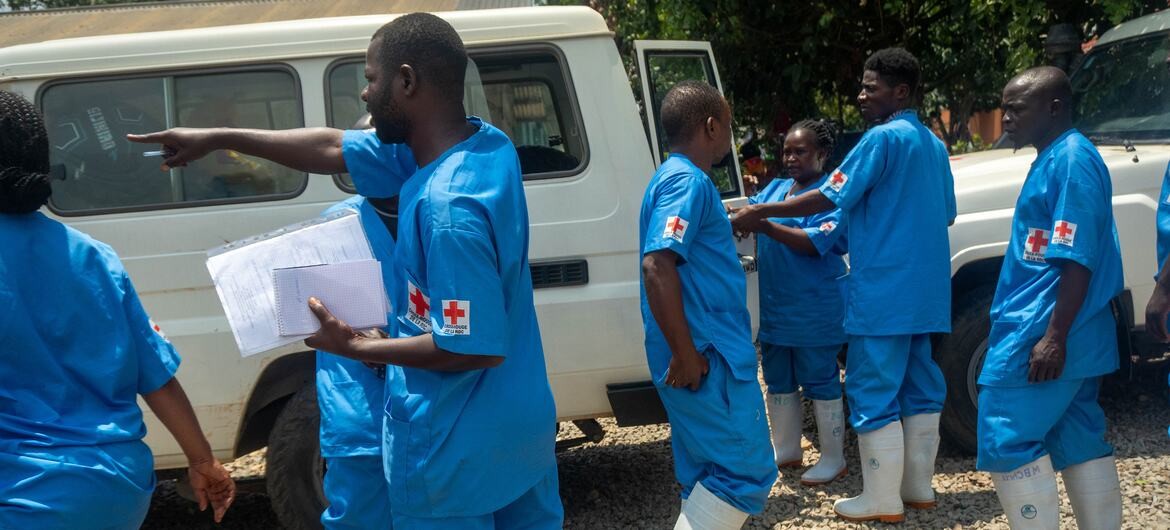
The agency has delivered more than 744,000 hot meals across 59 treatment and isolation facilities and distributed over 3,000 metric tonnes of food to patients' families.
Its six-month response plan also includes dry food rations for more than half a million relatives of patients and suspected cases to help households maintain access to food during treatment and isolation.
Beyond food distribution, WFP is supporting the movement of health workers, medicines and other essential supplies into areas where insecurity and poor infrastructure complicate access.
The WFP-managed United Nations Humanitarian Air Service (UNHAS) has conducted 1,255 flights, transporting 10,272 responders and 483 metric tonnes of cargo since the response began.
The WFP-led Logistics and Telecommunications Cluster has also supported the storage of 3,417 metric tonnes of humanitarian supplies for 43 partner organisations and facilitated the delivery of 2,653 metric tonnes of relief items by air and road.
These operations are intended to help medical teams reach affected communities and maintain supplies of medicines and personal protective equipment.
WFP has also delivered Musienene's first Ebola Treatment Centre in less than two months, from the initial request to operational handover, despite insecurity, heavy rains and access constraints.
Construction of another treatment centre is underway in Bunia, while four additional facilities, including one in Goma, are planned but not yet operational.
The need for additional treatment capacity comes as the outbreak continues to spread beyond its initial concentration in eastern DRC. On October 18, the cumulative outbreak toll had reached 9,415 confirmed cases and 4,536 deaths by October 16, underscoring the scale of the challenge facing health authorities.
The humanitarian emergency is also unfolding against a wider backdrop of conflict and displacement. WFP estimates that 26.5 million people across DRC face acute food insecurity, while 7.8 million people are internally displaced, many having been forced to flee more than once.
The World Bank announced on October 13 that it was providing an additional USD 80 million to strengthen the Congolese government's Ebola response, including disease surveillance, laboratory capacity, clinical care and community engagement. A further USD 13 million was announced to support preparedness and coordination in neighbouring countries and regional institutions.
However, WFP says its own six-month emergency response in eastern DRC requires USD 214 million, including USD 78.6 million for hot meals and dry rations for people directly affected by Ebola and their families. The appeal also covers air operations, logistics, telecommunications and treatment-centre construction.
The agency warns that without timely and flexible funding, food distribution, transport for responders and essential supplies, and the construction of treatment facilities could face interruptions.
Maintaining these services is central to supporting affected households and enabling health partners to continue their response as the outbreak reaches more communities.